KDH Craze Draws Global Media Attention
From Streaming Sensation to a Boom in Experiential Tourism and Consumption
"We dreamed hard, and we've made it this far. Now believe. Unbreakable forever. We are destined to shine like gold."
Just like the lyrics of "Golden," the original soundtrack of the Netflix animated film "K-Pop Demon Hunters" (Kedeheon), Korean culture featured in Kedeheon is creating a golden wave around the world. Everyday Korean elements in the film-such as gimbap, sauna, hanbok, and hanok-are sparking global curiosity, and this time, "K-Jjimjilbang" has become the focus of international media attention. Analysts note that the success of Kedeheon is not just a viewing phenomenon, but is also leading to increased tourism and consumption.
K-Jjimjilbang as Seen by Foreign Media: "A Multi-Cultural Space for $12"
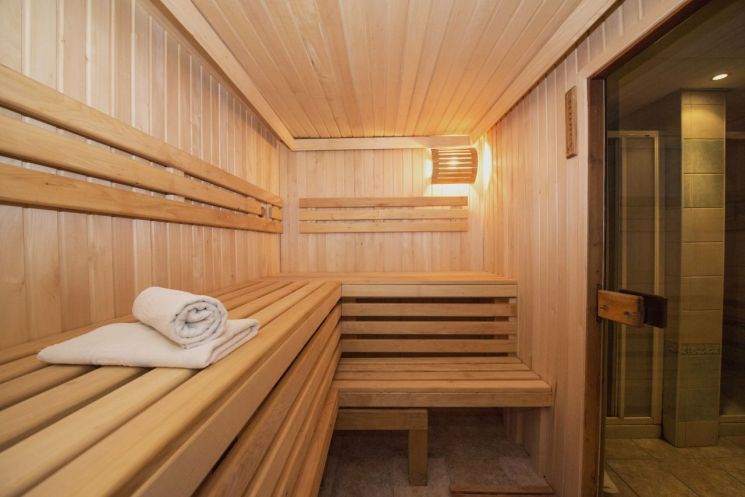
On August 27 (local time), the South China Morning Post (SCMP) in Hong Kong published a detailed report on the Korean jjimjilbang experience. The reporter, who personally visited a jjimjilbang in Korea, introduced it as a luxury facility where, for 17,000 won (about $12), you can enjoy saunas, steam rooms, salt rooms, cold and hot baths, and restaurants. The reporter highlighted the communal spaces-where families, couples, and friends can enjoy time together-as the greatest advantage of jjimjilbangs. Additional amenities such as stretching rooms equipped with yoga mats, arcade games, restaurants and snack corners, nail salons, and a convenient payment system that uses locker keys as digital wallets were also cited as strengths.
The report placed special emphasis on Korea's unique body scrub culture. The reporter explained, "The main reason people come here is for the full-body scrubs performed by ajummas," adding, "This service, where every nook and cranny of your body is thoroughly scrubbed with a loofah, is both feared and loved."
The article continued, "It’s a simple yet meticulous treatment that removes even dead skin you can’t get rid of yourself and washes you off with water, leaving you feeling 'reborn.' The Korean body scrub is a unique experience, as if combining an Istanbul Turkish bath and a Shanghai-style scrub." The reporter concluded, "Four hours at the jjimjilbang felt too short. Next time, I’ll double the time so I can get a pedicure as well."
Kedeheon Craze Drives Surge in Experience-Based Tourism and Consumption
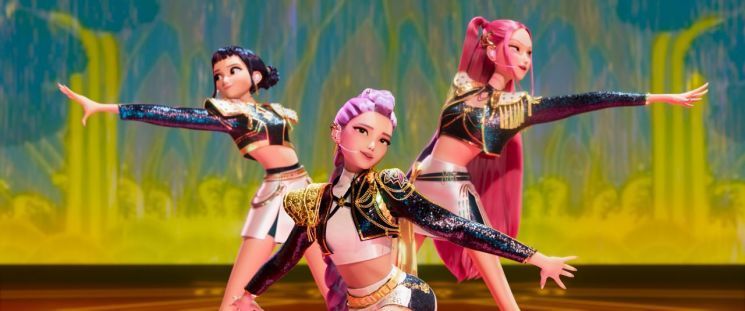 A scene from "K-Pop Demon Hunters" where the girl group Huntrix sings the theme song "Golden." Netflix
The popularity of Kedeheon is translating into real tourism demand. According to the domestic inbound tourism platform Creatrip, private body scrub shops equipped with natural bath products and dedicated shower rooms have recently become popular new attractions. Thanks to this rising interest, the transaction amount for public bathhouse travel content purchased by foreign tourists increased by 84% from June 20 to July 19 compared to the same period in the previous month.
Recently in the United States, short-form video trends have helped gimbap and tteokbokki become mainstream snacks, while jjimjilbangs, K-beauty, and K-fashion have spread as cultural codes among Generation Z. According to the travel platform Booking.com, global searches for Seoul and Busan increased by 30% and 50%, respectively, in June, when K-pop concerts were concentrated. Seo Kyungduk, a professor at Sungshin Women's University, said, "The public bathhouse in Kedeheon has gained attention as travel content, contributing to the expansion of tourism resources."
Experts note that while the Korean Wave in the past was mainly limited to music and dramas, it has now evolved into a direct consumption model that includes experiences, tourism, and goods. Some believe that the spread of culture, combined with the advancement of the tourism and service industries, could become a new growth engine for the Korean economy.
© The Asia Business Daily(www.asiae.co.kr). All rights reserved.


















