Mobilizing Historical Aerial Photos and Land Registers
Discovery of Chebiji Worth 1 Billion Won
City-Owned Land to Be Used for Roads and Parking Lots
The Seoul Metropolitan Government has successfully identified city-owned assets worth 100 billion won by analyzing records from the Japanese colonial period up to the present day.
On August 27, the city announced that a comprehensive analysis of records and video materials dispersed across various agencies led to the discovery of 687 sites designated for discontinued use (approximately 840,000 square meters) and 259 sites illegally cultivated or occupied by greenhouses (about 15,000 square meters).
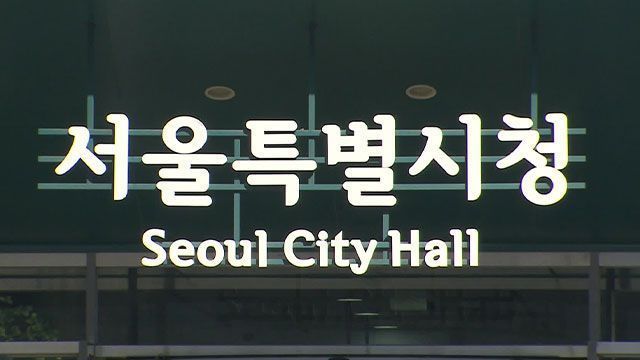
This investigation was conducted to prevent cases where city-owned assets are omitted due to discrepancies in registration or land designation during various development projects. More than 20 types of records, including original survey maps and closed cadastral maps from the Japanese colonial period to the present, land movement resolutions, aerial photographs, and certified copies of land registers, were utilized from over 10 different agencies.
The city confirmed the status of these assets through record analysis and on-site inspections, then established a detailed investigation (survey) ledger. This ledger will be used by the property management department for practical tasks such as discontinuing use for property management, determining asset ownership, and registering assets.
For administrative properties with no administrative purpose, the city decided to discontinue their use. This measure aims to prevent disputes that may arise during future development project consultations. In cases of unauthorized occupation, the city will impose compensation charges and issue restoration orders to manage city-owned assets and secure tax revenue sources.
Additionally, through the project to identify city-owned land among registered properties, the city newly discovered a 855-square-meter parcel of land, known as Chebiji, with a publicly assessed value of about 1 billion won. Chebiji refers to land set aside by the project implementer, in this case the Seoul Metropolitan Government, to cover project costs. The land discovered in this investigation existed within land readjustment project districts between 1937 and 1991 but was omitted during the finalization of land exchanges and remained unregistered.
The city plans to conduct additional investigations to discover 230 more omitted parcels within this year. In the future, registered city-owned land will be used for roads, parks, or parking lots according to urban planning, and, if necessary, may be sold to secure tax revenue.
Namjun Cho, head of the Seoul Urban Space Headquarters, stated, "This investigation is an important process for addressing land that has long been in the administrative blind spot and for correcting the public asset management system," adding, "We will continue to systematically manage Seoul's public assets and enhance administrative reliability."
© The Asia Business Daily(www.asiae.co.kr). All rights reserved.

















