"First Successful Cross-Species Lung Transplantation"
Procedure Halted on Day 9 at Family's Request
Professor Jeon Kyungman from Korea Also Participated
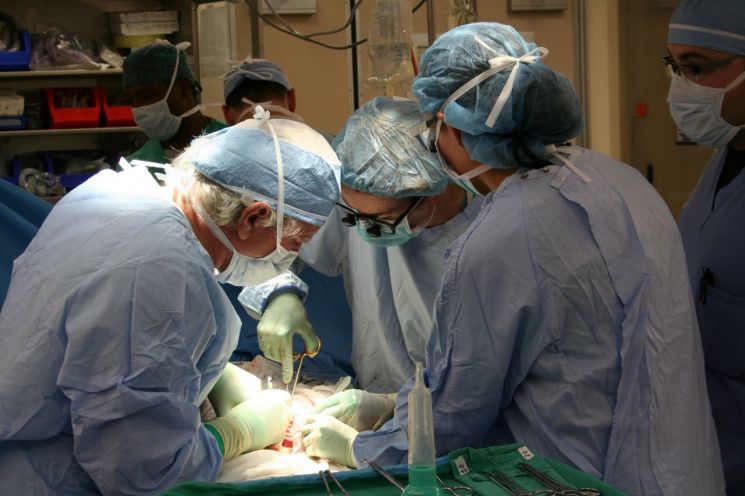
A research team in China has successfully transplanted a genetically edited pig lung into a human for the first time in the world, with the organ functioning for nine days.
According to Yonhap News Agency on August 26, citing China’s state-run Xinhua News Agency, a joint research team from China, South Korea, Japan, and the United States, led by Dr. He Jianxing at the First Affiliated Hospital of Guangzhou Medical University, transplanted the left lung of a pig-genetically edited using CRISPR-Cas9-into a brain-dead human recipient. The transplanted lung maintained its function for nine days. From South Korea, Professor Jeon Kyungman of Samsung Medical Center at Sungkyunkwan University School of Medicine participated in the study.
According to the research team, this is the first case of a cross-species lung transplant. The team performed six rounds of genetic editing on the pig’s organ to reduce immune risks after transplantation into the human body. Post-surgery monitoring of respiration, blood, and imaging showed that the transplanted lung maintained its function, including breathing, for up to nine days, with no signs of hyperacute rejection during this period. Additionally, pathogen monitoring revealed no signs of active infection.
The pig that provided the lung was a Chinese Bama Xiang breed. Using CRISPR-Cas9 gene editing, the researchers removed three xenoantigen genes (GGTA1, B4GALNT2, CMAH) from pig cells that strongly trigger human immune responses, and inserted three human genes (CD55, CD46, TBM) that help prevent the human immune system from attacking the transplanted organ.
The brain-dead recipient who received the pig lung had been declared brain-dead last year due to severe skull injury. His family participated in the study without compensation for the advancement of medical science, and, according to their wishes, the procedure was terminated on the ninth day after transplantation, as reported by the news agency.
Professor He Jianxing stated, "Currently, the global demand for organ transplants is increasing," and added, "Xenotransplantation could help address the shortage of organ donors."
He further commented, "This achievement marks an important step forward in the field of cross-species lung transplantation," and said, "Going forward, we will optimize gene editing strategies and rejection treatments, and work to extend the survival and function of transplanted organs to enable clinical application."
© The Asia Business Daily(www.asiae.co.kr). All rights reserved.

















