A Strategic Move to Encourage Active Testimony:
Key Suspects Open to Negotiation and Pressure
Concerns Over Excessive Expansion of Authority:
Criticism Over Sentence Bargaining With Criminals
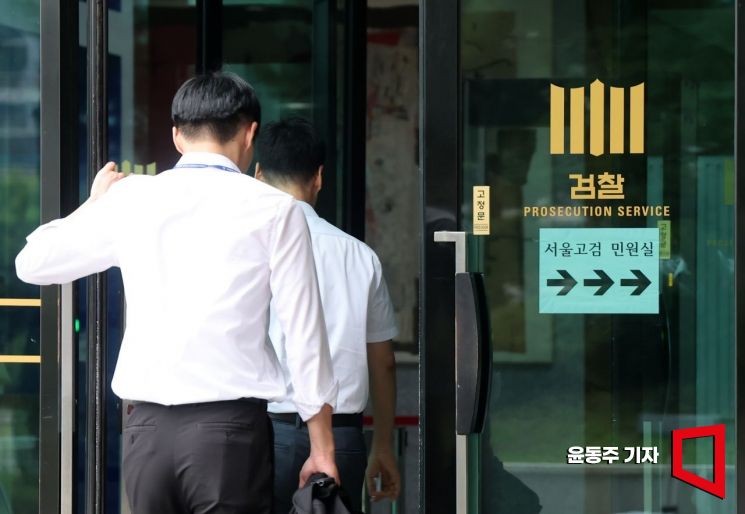 Officials are entering and exiting the Seoul High Prosecutors' Office in Seocho-gu, Seoul, where the Special Investigation Office for Internal Affairs has been established.
The Special Prosecutor's Team for Rebellion (led by Special Prosecutor Cho Eunseok) is effectively seeking a breakthrough by considering the use of "plea bargaining" (the system of sentence reduction for judicial cooperation). Plea bargaining refers to a judicial cooperation system or guilty plea negotiation, in which prosecutors apply lesser charges or reduce sentences in exchange for a defendant's admission of guilt or testimony against others.
On August 26, legal experts and insiders analyzed that the special prosecutor's team is leveraging plea bargaining in its investigation, making a bold move to secure active statements from key suspects involved in rebellion and treason. Given the limited investigation period, this is seen as a viable strategy for the team.
However, there are concerns that utilizing plea bargaining in the investigation could excessively expand the special prosecutor's authority, as it would allow negotiations with criminals over reduced sentences.
The special prosecutor's team submitted an opinion to the National Assembly, requesting an amendment to the Special Prosecutor Act to allow for sentence reduction or exemption for voluntary surrender or reporting of crimes. Considering that insider testimony is essential for uncovering the truth in rebellion and treason cases, they requested that the mandatory sentence reduction or suspension of indictment provisions, as stipulated in the National Security Act, the Act on the Protection of Specific Crime Reporters, and the Capital Markets Act, be newly included in the Special Prosecutor Act.
If the Special Prosecutor Act is revised to incorporate provisions from the National Security Act and others as requested, the special prosecutor's team would be able to use plea bargaining as a tool to negotiate with or pressure those involved in the case during the investigation. The team reportedly confirmed that, following last year's amendment to the Capital Markets Act, investigations at the Seoul Southern District Prosecutors' Office have become more active, as suspects in unfair trading cases such as insider trading and price manipulation can receive reduced or exempted sentences if they testify or provide statements that help uncover other crimes related to the case during the investigation or trial.
If plea bargaining is introduced into the special prosecutor's investigation as planned, it is highly likely that those involved in rebellion and treason cases will rush to provide information. However, there is also a negative perception that the special prosecutor would be making deals with criminals over sentences or suspension of indictment, which makes it unlikely that the National Assembly will easily amend the Special Prosecutor Act.
Additionally, some argue that sentence reduction or exemption is an exclusive authority of the courts, and that the special prosecutor would be encroaching on this power. Although the investigation targets are limited by the special prosecutor's mandate, if sentences are determined and indictments are withheld through negotiations with those involved, the special prosecutor would hold the authority to reduce or exempt sentences, raising concerns about the potential for manipulating or distorting testimony.
© The Asia Business Daily(www.asiae.co.kr). All rights reserved.

















