Analysis of 82 Studies Across Five Asian Countries
18% Higher Colorectal Cancer Risk with Increased Meat Consumption
Just Three Shots of Soju Raise Risk by 64%
A study has found that Western dietary habits among Asians increase the risk of developing colorectal cancer.
According to research published in the latest issue of the international journal "Cancer Causes & Control" on August 21, a joint research team led by Professor Kang Daehee of the Department of Preventive Medicine at Seoul National University College of Medicine and Professor Shin Sanga of the Department of Food and Nutrition at Chung-Ang University analyzed the correlation between Asian dietary patterns and the incidence of colorectal cancer. They concluded that a Western-style diet increases the risk of colorectal cancer.
The research team conducted a comprehensive analysis of 82 large-scale epidemiological (cohort) studies tracking disease patterns in specific populations across five Asian countries: South Korea, Japan, China, Taiwan, and Singapore.
Colorectal cancer, breast cancer, prostate cancer... Representative Western diseases
The term "Western disease," commonly used in the medical field to classify diseases, traditionally refers to chronic illnesses prevalent in the United States, Europe, and other Western regions. Representative Western-type cancers include colorectal cancer, breast cancer, and prostate cancer. These cancers are known to be closely associated with Western lifestyles, such as high-fat and high-calorie diets, meat-centered eating habits, lack of exercise, obesity, smoking, and alcohol consumption.
In contrast, traditional Asian diets are characterized by high consumption of legumes and vegetables. Meat consumption is only about one-seventh that of Western countries.
However, in recent years, the incidence of these cancers has surged in Asia, including South Korea, blurring the distinction between Western and Asian disease patterns. Some studies have even shown that the rate of increase in Asia is faster than in the West.
The most notable example is colorectal cancer. In South Korea and other Asian countries, the incidence of colorectal cancer has increased two- to four-fold over the past several decades, and the medical community generally agrees that this is closely related to the westernization of dietary habits.
Meat and alcohol... 'Poison' for Asians
This study presented cohort research results supporting this correlation. According to the findings, meat, processed meat, and alcohol were identified as clear risk factors that increase the likelihood of colorectal cancer among Asians.
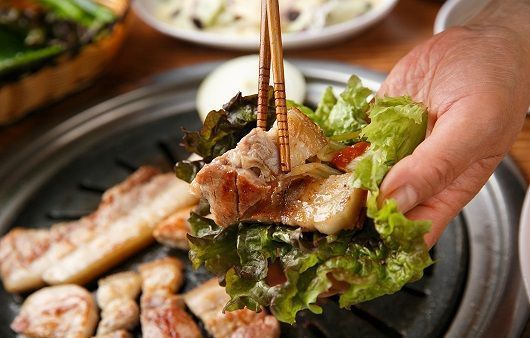
By type of meat, the risk of developing colorectal cancer increased by 18% for those with higher total meat consumption. Consuming processed meats such as sausages and ham was independently associated with an 18% higher risk. While white meats like chicken and turkey were not significantly related to the overall risk of colorectal cancer, they were found to potentially increase the risk of rectal cancer (cancer occurring in the rectum, the final section where stool is formed) by 40%.
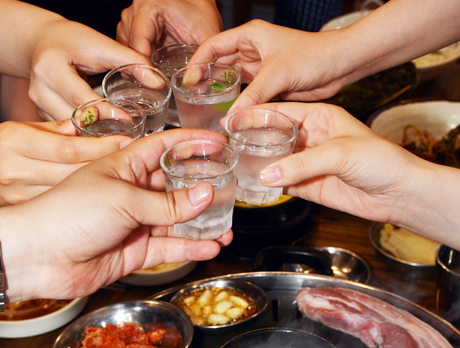
Alcohol, in particular, was identified as the most significant risk factor for colorectal cancer. The study estimated that consuming more than 30 grams of alcohol per day increases the risk of developing colorectal cancer by an average of 64%. Thirty grams of alcohol is roughly equivalent to more than 500ml of beer or about three shots of soju.
Conversely, the group that consumed sufficient calcium showed a tendency for about a 7% reduction in colorectal cancer risk. A healthy diet focused on vegetables, fruits, whole grains, and low-fat proteins was found to lower the risk of colon cancer (cancer occurring in the colon, where water and electrolytes are absorbed from digested food to form stool) by 15%. Calcium can mainly be obtained from milk and dairy products, as well as fish like anchovies that are eaten whole with the bones.
The research team explained that calcium reduces the carcinogenic effects in the intestines, and that a healthy diet lowers colorectal cancer risk through dietary fiber and antioxidant components. They emphasized that reducing alcohol and processed meat consumption is key to prevention.
© The Asia Business Daily(www.asiae.co.kr). All rights reserved.


















