The Supreme Court has ruled that if a collective agreement requires employees to apply for leave at least three days in advance, a company’s refusal to grant annual leave in violation of this rule cannot be considered a violation of the Labor Standards Act.
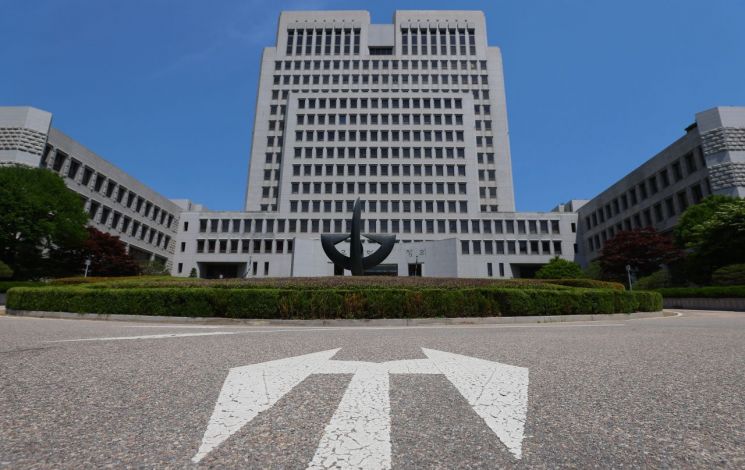
According to the legal community on August 20, the Supreme Court’s Third Division (Presiding Justice Oh Seokjun) upheld the lower court’s acquittal of Mr. A, the head of a city bus company in Busan, who had been tried on charges of violating the Labor Standards Act.
Mr. B, a bus driver at Mr. A’s company, applied on July 5, 2019, to take leave on July 8. However, Mr. A rejected the request, citing the collective agreement’s requirement that leave must be requested at least three days in advance. Despite this, Mr. B insisted on taking the leave and did not report to work on July 8. Prosecutors charged Mr. A with violating the Labor Standards Act, alleging that he had unfairly restricted the employee’s right to annual leave.
Both the first and second trial courts found that the company’s collective agreement did not unfairly infringe on employees’ rights to annual leave and acquitted Mr. A.
The Supreme Court also found no fault with the lower court’s judgment and dismissed the appeal. Notably, the Supreme Court presented for the first time the criteria for determining an employer’s right to change the timing of leave. The Court stated that whether granting leave at the time requested by the employee would cause significant disruption to business operations should be assessed by comprehensively considering: ▲ the nature of the employee’s work, ▲ the expected number of staff and workload at the requested time, ▲ the timing of the leave request, and ▲ the necessity and time required to secure a substitute worker.
The Court further explained, “In businesses where timely operation is crucial, such as route passenger transportation, if a collective agreement sets a deadline for requesting leave, and an employee applies for leave without an unavoidable reason and fails to comply with this deadline, it is reasonable to view this as a situation where, from an objective standpoint, the employer faces difficulties in securing a substitute worker by the designated leave date, thereby causing significant disruption to business operations.”
© The Asia Business Daily(www.asiae.co.kr). All rights reserved.


















