Legacy of Heungyang Uibyeong Revisited
Mangyeongam Site Designated as Provincial Monument for Anti-Japanese Resistance
Goheung County in South Jeolla Province (Governor: Gong Youngmin) announced on August 14 that the 'Goheung Mangyeongam Anti-Japanese Uibyeong Historic Site' has been designated as a Jeollanam-do Monument.
This designation is part of a state heritage project initiated by Jeollanam-do to commemorate the 80th anniversary of Korea's Liberation. The project aims to ensure the sustainable preservation of anti-Japanese independence heritage sites remaining in the province and to systematically manage and utilize these valuable assets that embody the spirit of the Korean people.
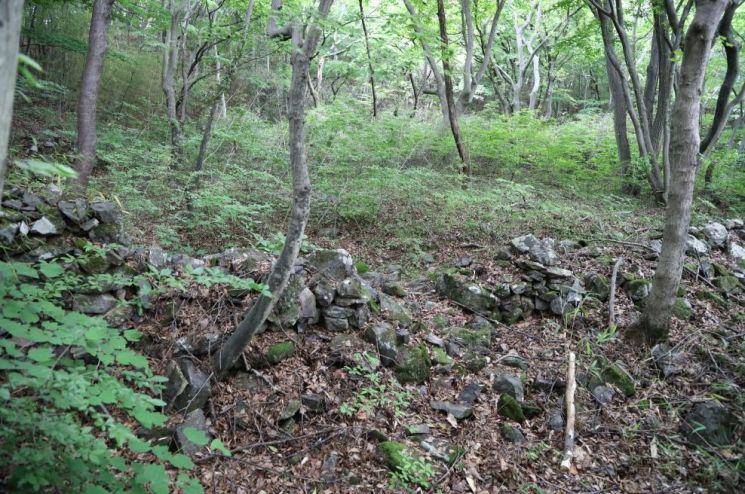
The 'Goheung Mangyeongam Anti-Japanese Uibyeong Historic Site' is located at the site of a mountain hermitage of Neunggasa Temple, near the famed Palyongsan Mountain's Heundeulbawi Rock. The area is known for its rugged terrain and favorable conditions for concealment and defense, making it a base and battlefield for Uibyeong (righteous army) units in South Jeolla during the late Joseon period, particularly in 1909.
In particular, the Mangyeongam area is highly valued as a historical source, as records specifically document fierce battles between the Heungyang Uibyeong unit and the Japanese army, vividly illustrating the realities of Uibyeong activities at the time. The historical authenticity of these events and the site's strategic significance were decisive factors in its designation as a monument.
After the signing of the Eulsa Treaty in 1905, anti-Japanese Uibyeong uprisings broke out across the country, and armed resistance also unfolded in Goheung, centered around Palyongsan Mountain. At that time, Uibyeong leader Shin Seonggu organized a force of about 120 fighters, stationed them at Mangyeongam, and continued anti-Japanese activities from there.
On July 7, 1909, at 6:00 p.m., a Japanese punitive force located the Uibyeong and launched a surprise attack, resulting in fierce combat. The battle continued for about 26 hours until 8:00 p.m. the following day, July 8, during which 16 Uibyeong fighters were killed in action. The Mangyeongam area has since remained a historic site symbolizing the fierce struggle of Goheung's anti-Japanese Uibyeong.
A county official stated, "We will review various measures to prevent damage, including the preservation and maintenance of the anti-Japanese Uibyeong historic site, and will do our utmost to collect Uibyeong-related materials and secure concrete historical evidence, such as detailed battle records, to clarify the facts."
Meanwhile, a memorial service honoring the spirits of the 16 anti-Japanese Uibyeong fighters who died at Goheung Palyongsan Mangyeongam is scheduled to be held at Neunggasa Temple in Jeomam-myeon at 10:00 a.m. on August 29.
© The Asia Business Daily(www.asiae.co.kr). All rights reserved.

















