68 Measles Cases Reported This Year, a 1.4-Fold Increase Over Last Year
Imported Cases Account for 72.1% of Total
Hospitalization Required for Complications Such as Otitis Media, Pneumonia, or Dehydration Due to Diarrhea and Vomiting
This year, as measles continues to spread worldwide and imported cases increase, the number of domestic measles patients has risen by 1.4 times compared to last year.
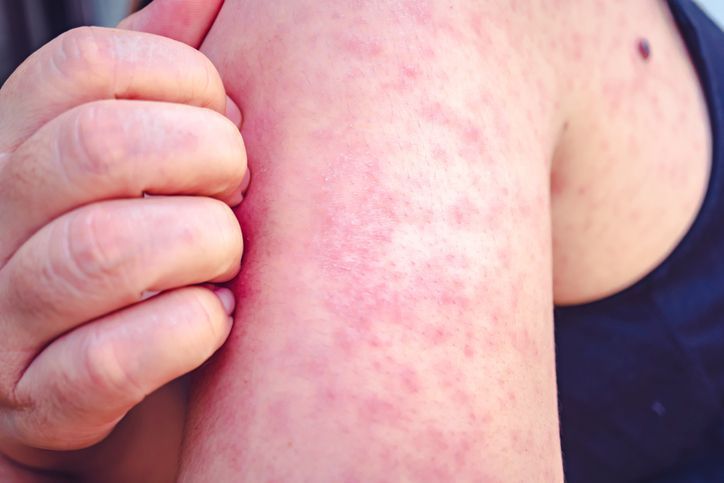 Measles, which is spreading worldwide, is also increasing domestically. Photo to aid in understanding the article. Getty Images Bank
According to the Korea Disease Control and Prevention Agency (KDCA) on August 13, a total of 68 measles cases had been reported domestically as of August 9. This is a 1.4-fold increase compared to the same period last year, when there were 47 cases.
Among these, 49 cases were classified as imported, meaning the individuals were infected abroad and then diagnosed after returning to Korea. These imported cases accounted for 72.1% of the total. The countries visited by these patients included Vietnam (42 cases), South Africa (3 cases), Uzbekistan, Thailand, Italy, and Mongolia (1 case each).
Through these imported cases, an additional 19 people were infected within households or medical institutions.
Among all patients, 78% (53 people) were adults aged 19 or older. Of these adults, 54% (37 people) either had not received the measles vaccine or were unsure of their vaccination status.
Due to increased social interaction and international travel after COVID-19, as well as decreased vaccination rates during the pandemic, measles has been spreading globally. According to World Health Organization (WHO) estimates, the number of measles cases worldwide reached approximately 360,000 last year.
According to the WHO Western Pacific Regional Office, the incidence of measles per 1 million people in major countries in the region this year is as follows: Mongolia, 673.3 cases; Cambodia, 290.0 cases; Laos, 145.6 cases; the Philippines, 38.7 cases; and Malaysia, 25.2 cases.
Measles cases have also surged significantly in North America. Even the United States, which had been classified as a measles-eliminated country, saw a sharp increase in cases, reaching the highest level in 33 years. In Canada, the number of confirmed cases also increased, making it the only Western country among the top 10 countries with the highest measles spread as of July.
Measles, designated as a second-class notifiable infectious disease, is a highly contagious respiratory infection transmitted through the air, with an incubation period of 7 to 21 days. Common symptoms include fever, rash, cough, runny nose, and conjunctivitis. The disease is easily transmitted through contact with a measles patient or through droplets produced by coughing or sneezing.
Although measles can lead to complications such as pneumonia, encephalitis, and even death, in most cases, symptoms improve with only supportive care such as hydration, nutrition, and rest, without the need for specific treatment. However, if complications such as otitis media, pneumonia, or dehydration due to diarrhea and vomiting occur, hospitalization is required.
If a person without immunity comes into contact with a measles patient, the infection rate can exceed 90%. However, measles can be effectively prevented with the MMR vaccine, so it is recommended to get vaccinated before traveling abroad.
The KDCA emphasized, "If you have not received the measles vaccine or are unsure of your vaccination status, please complete your vaccination before departure. In addition, if you develop suspected measles symptoms such as fever or rash within three weeks after returning from overseas, promptly visit a medical institution, inform them of your overseas travel history, and seek medical attention."
© The Asia Business Daily(www.asiae.co.kr). All rights reserved.

















