From "You Must Have a Son" to "Daughters Are Better"
Korea Ranks First in the World for Daughter Preference
A birth preference trend in Korean society that is the exact opposite of 30 years ago has become increasingly evident. Whereas the prevailing view in the past was that "one must have a son," responses indicating "daughters are better" have now reached the highest level in the world.
According to a survey by Gallup International conducted between October 2024 and February this year, which asked 44,783 adults in 44 countries, "If you could have only one child, which gender would you prefer?", 28% of Korean respondents chose "daughter." This figure is more than 10 percentage points higher than those who preferred a son (15%). This places Korea at the top in terms of daughter preference, ahead of countries such as Japan, Spain, and the Philippines (26%), and Bangladesh (24%).
In contrast, in a similar survey in 1992, 58% of Koreans said they wanted a son, while only 10% wanted a daughter. In about 30 years, the preferred gender has completely reversed. By age group, only those in their 60s and older showed a higher preference for sons (23%) than daughters (20%), and the generational gap was particularly pronounced, with nearly half of women in their 30s and 40s choosing "daughter."
Survey on Children and Parenting Perceptions: "A Daughter Is Essential"
A similar result was found in the "2024 Children and Parenting Perception Survey" released by Korea Research in June 2024. In a survey of 1,000 adults nationwide on their preference for the gender of their children, 62% agreed that "having at least one daughter is essential," while only 36% agreed that "having at least one son is essential."
This trend is also evident in changes in the sex ratio at birth. According to Statistics Korea, in 1990, there were 116.5 boys per 100 girls, but by 2023, this had dropped to 105.1, entering the natural sex ratio range (103-107). The figure, which exceeded 110 until the early 2000s, has stabilized since 2008.
Changing Perceptions of Gender Roles and Caregiving Structures as Influences
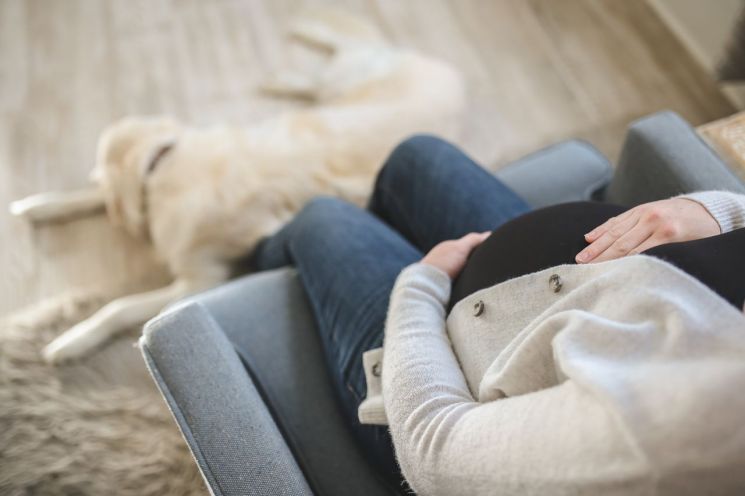
 There is a phenomenon of preference for girls appearing in Korean society. Photo is unrelated to the article. Photo by Asia Economy DB
In June, The Economist in the UK reported, "For the first time in human history, a preference for daughters is emerging in several regions, with Korea being a representative example." The reasons for the decline in son preference and the rise in daughter preference were analyzed as a combination of various factors: changes in perceptions of gender roles, an increase in the number of unmarried men, and social reflection on misogyny.
The burden of elderly care and caregiving is also cited as a major factor. According to research by Hanyang University Graduate School of Clinical Nursing, 82.4% of family members primarily caring for dementia patients were women, with "daughters" accounting for the highest proportion at 42.4%. Sons accounted for only 15.2%.
This shift is expected to impact not only perceptions but also the overall family structure and caregiving culture in the era of low birth rates and an aging population. The old belief that "one must have a son to carry on the family line" is disappearing, replaced by the view that "daughters are better at supporting their parents in old age."
© The Asia Business Daily(www.asiae.co.kr). All rights reserved.


















