Children and Adolescents Get Over 60% of Calories from Ultra-Processed Foods
Higher Dependence Among Lower-Income Groups
More than half of Americans obtain a significant portion of their daily calories from ultra-processed foods that are high in sugar, salt, and unhealthy fats. This was officially confirmed for the first time based on dietary data collected by the U.S. Centers for Disease Control and Prevention (CDC) from August 2021 to August 2023.
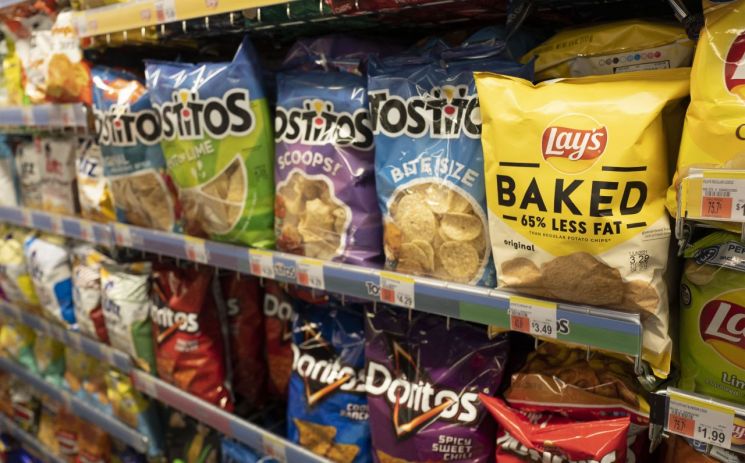
Ultra-processed foods include hamburgers, sandwiches, sweet snacks, salty snacks, pizza, and sugar-sweetened beverages. Notably, children and adolescents were found to obtain about 62% of their total calorie intake from these foods. For adults, the figure was about 53%. It was also found that adults with lower incomes tend to consume more ultra-processed foods than those with higher incomes.
Although there are many studies linking ultra-processed foods to chronic diseases such as obesity, diabetes, and cardiovascular disease, it is difficult to clearly establish a causal relationship. However, recent research shows that when comparing diets with similar calories and nutrients, groups consuming ultra-processed foods tend to consume more calories and experience greater weight gain.
In particular, a recent study published in the journal Nature reported that consuming minimally processed foods (such as pasta, chicken, fruits, and vegetables) results in more than twice the weight loss effect compared to ultra-processed foods. The researchers explained that frozen ready-to-eat meals, protein bars, and shakes also fall under the category of ultra-processed foods. While these foods may have similar nutrient content, their effectiveness for weight loss is lower.
The CDC report defined ultra-processed foods using the 'Nova' classification system developed by Brazilian researchers. According to this classification, ultra-processed foods are characterized by strong flavors, high energy density, and a lack of dietary fiber. In contrast, they are high in salt, sweeteners, and unhealthy fats. Experts advised that efforts to reduce ultra-processed food consumption in daily life are necessary, such as choosing pure oats sweetened with honey or maple syrup instead of instant oatmeal containing sugar, sodium, and artificial additives, and carefully checking food packaging and nutrition information.
© The Asia Business Daily(www.asiae.co.kr). All rights reserved.

















