Study by University College London Research Team
Minimally Processed Meals Prove Effective for Weight Loss
A study has found that consuming home-cooked meals leads to greater weight loss compared to ultra-processed foods, even when the same number of calories is consumed.
According to CNN on August 4 (local time), a research team from University College London published the results of a study comparing the effects of differently processed diets on weight loss in the medical journal Nature Medicine.
This study was conducted on 55 overweight adults in the UK, who were provided with either an ultra-processed or minimally processed diet for eight weeks. Participants were allowed to freely consume up to 4,000 kcal per day and recorded their intake in a diary. After a brief break, participants switched to the opposite diet for another eight weeks.
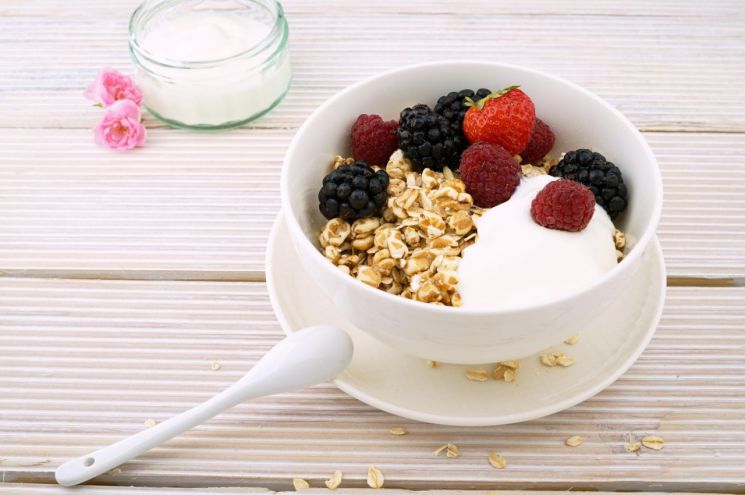
During the initial eight weeks, 28 participants consumed a minimally processed diet, including foods such as oatmeal and homemade Bolognese spaghetti. According to the US National Library of Medicine, minimally processed foods refer to items prepared in their natural state, such as fruits, vegetables, meats, milk, and eggs.
Conversely, the remaining 27 participants were provided with ultra-processed foods, such as ready-to-eat lasagna and cereal, every day for eight weeks. Ultra-processed foods are industrially processed products that often contain additives not commonly used in home cooking. These foods are generally high in calories, sugar, sodium, and saturated fat, and low in dietary fiber, and are known to contribute to obesity, cancer, cardiovascular disease, type 2 diabetes, and depression.
The results showed that ultra-processed foods were less effective for weight loss compared to minimally processed meals. Kevin Hall, a co-author of the study, explained, "Even when ultra-processed foods met nutritional guidelines, the minimally processed diet led to greater weight loss," adding, "This study is the largest and longest randomized controlled clinical trial on ultra-processed foods conducted to date."
Samuel Dicken, the lead author of the study, stated that the average weight loss from consuming minimally processed foods was 2%. Dicken noted, "A 2% reduction may seem small, but this was achieved over eight weeks without any effort to reduce meal portions," and explained, "If maintained for a year, men could expect a 13% weight loss and women a 9% weight loss."
Participants who consumed minimally processed foods showed lower triglyceride levels, but there were no significant differences between the two diets in other cardiovascular indicators.
However, so-called "bad cholesterol," or LDL cholesterol, decreased more in the group consuming ultra-processed foods. Dimitrios Koutoukidis, Associate Professor of Diet, Obesity, and Behavioral Science at the University of Oxford, commented, "These results suggest that meeting nutritional standards may be more important for cardiovascular health than the degree of food processing," and added that further research is needed.
© The Asia Business Daily(www.asiae.co.kr). All rights reserved.

















