"The First Living Example of Bipartisan Cooperation in the 22nd National Assembly"
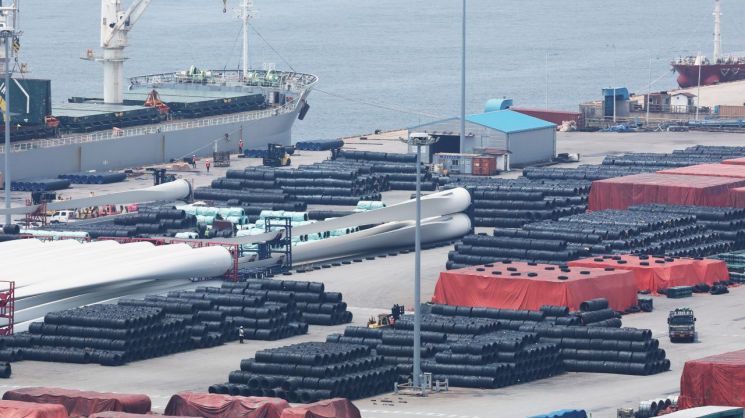
In response to the direct blow suffered by the domestic steel industry from the United States' 'tariff bomb,' both the ruling and opposition parties have agreed to jointly propose the so-called 'K-Steel Act (Special Act for Strengthening the Competitiveness of the Steel Industry and Transitioning to Green Steel Technology).' The parties emphasized that this is "the first living example of bipartisan cooperation."
On the morning of August 4, at the National Assembly, 11 lawmakers from both parties, including Eo Gigu of the Democratic Party of Korea and Lee Sanghwi of the People Power Party, who serve as co-chairs of the National Assembly Steel Forum, held a press conference and announced the joint proposal of the K-Steel Act. A total of 106 lawmakers from both parties participated in this bill.
The fact that the ruling and opposition parties, which are currently locked in fierce confrontation over other contentious bills such as the Yellow Envelope Act (Amendment to Articles 2 and 3 of the Trade Union and Labor Relations Adjustment Act), have come together in this rare move demonstrates just how dire the situation is for the steel industry.
Previously, in March, the United States imposed a 25% tariff on imported steel, and in June, this was raised to 50%. Even in the Korea-US tariff negotiations concluded on July 31, the tariffs applied to steel and aluminum were maintained as they were.
Eo Gigu explained, "The United States has effectively declared a 'ban on imports' of Korean steel, which has contributed to its manufacturing and major industrial supply chains," adding, "As a result, not only major companies such as POSCO and Hyundai Steel but also small and medium-sized steel processing companies are facing export losses and management uncertainty."
The bill includes the following: ▲ Defining the steel industry as a key foundation industry for the national economy and security ▲ Establishing a Special Committee for Strengthening Steel Industry Competitiveness chaired by the President ▲ Establishing a five-year master plan and annual implementation plans ▲ Providing subsidies, loans, tax reductions, and production cost support for decarbonized steel technology.
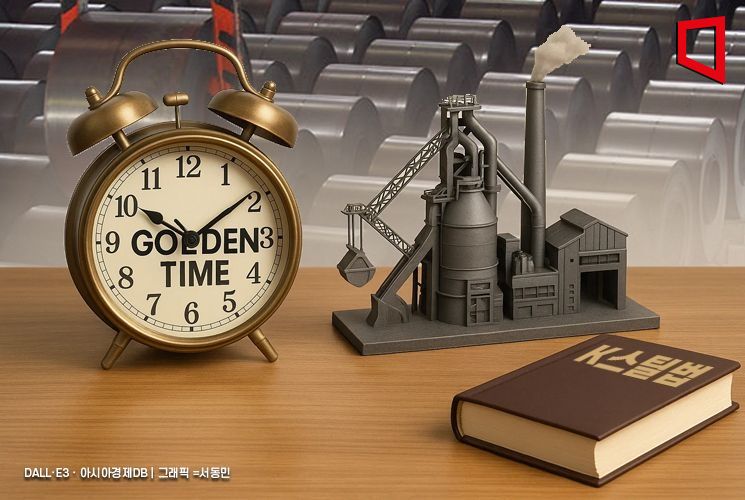
Lee Sanghwi said, "Now is the last golden time to save our steel industry," and added, "As Korea faces the enormous challenges of economic crisis and protectionism, if the ruling and opposition parties do not cooperate, the lives of the people will inevitably become more difficult."
© The Asia Business Daily(www.asiae.co.kr). All rights reserved.


















