Nissan Withdraws from Indian Plant
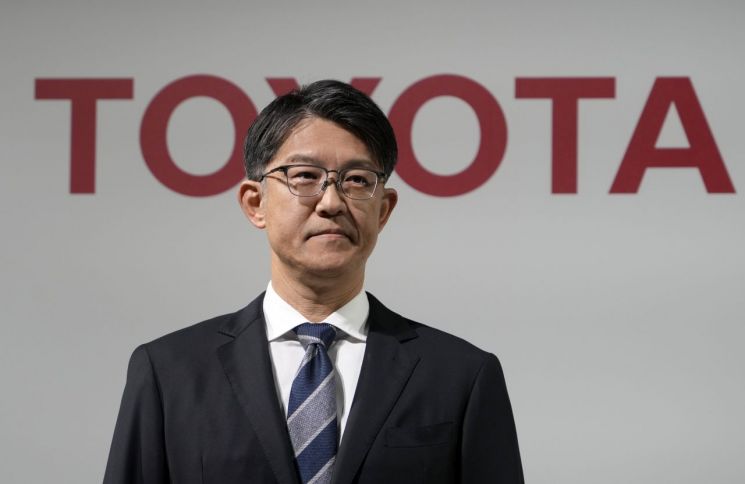
Toyota Motor Corporation of Japan has raised its global production outlook for this year, despite the tariff policies of the Donald Trump administration in the United States.
According to a report by the Nihon Keizai Shimbun (Nikkei) on August 2, Toyota initially set its annual production target, including its luxury brand Lexus, at approximately 9.9 million units at the beginning of the year. Recently, however, it raised this target to about 10 million units and communicated the new figure to major parts suppliers. The adjustment in the forecast is attributed to strong sales of eco-friendly vehicles, such as hybrid cars.
The production target for Japan remains unchanged at 3.3 million units. Toyota maintains that it must produce more than 3 million units annually in its home country to preserve domestic manufacturing technology and employment. If the new outlook is achieved, Toyota will once again realize "annual production of 10 million units" for the first time in two years, following 10.03 million units in 2023. In the first half of this year, Toyota produced 4.91 million units, marking an all-time record.
Toyota has also raised its medium- and long-term production forecasts. The production targets for 2026 and 2027 have been set at 10.2 million and 10.5 million units, respectively, each increased by 200,000 units compared to the beginning of the year.
In contrast, Nissan Motor Corporation announced the previous day that, amid poor business performance, it has sold its stake in its Indian subsidiary operating the Chennai plant to Renault for 35.3 billion rupees (approximately 560 billion won). With this sale, Nissan will end automobile production in India and plans to outsource future vehicle production to Renault.
Nikkei reported that as of the end of July this year, the market capitalization of global automakers had decreased by 6% compared to the end of last year. In contrast, the market capitalization of semiconductor companies increased by 24%, driven by rising demand for generative artificial intelligence (AI).
© The Asia Business Daily(www.asiae.co.kr). All rights reserved.
![Clutching a Stolen Dior Bag, Saying "I Hate Being Poor but Real"... The Grotesque Con of a "Human Knockoff" [Slate]](https://cwcontent.asiae.co.kr/asiaresize/183/2026021902243444107_1771435474.jpg)
















