Dongducheon City Unveils Mid- to Long-Term Comprehensive Welfare Plan
Blueprint for "Welfare That Reaches Everyone's Daily Life" Presented
Dongducheon City in Gyeonggi Province (Mayor Park Hyungdeok) has established a mid- to long-term health and welfare strategy and presented its direction in response to entering a super-aged society and the expanding welfare blind spots.
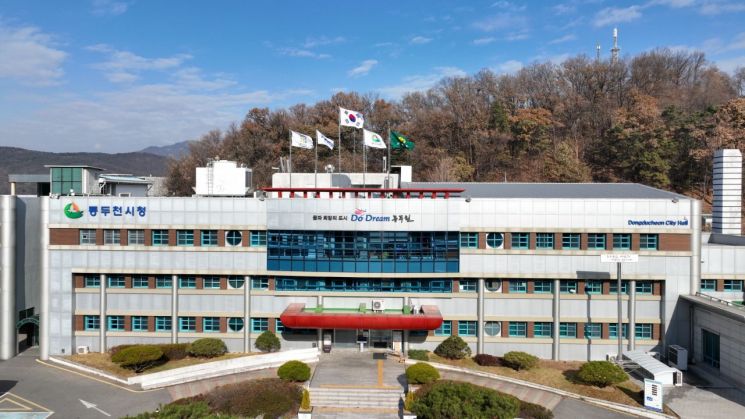
This plan aims to propose a customized welfare system for each stage of life, expand the local medical infrastructure, and present a community-based welfare model that embraces diverse groups such as single-person households, foreigners, and people with disabilities. The plan is characterized by a thorough diagnosis of the city's current situation and the derivation of demand-based strategies through citizen surveys, interviews with local figures, and expert analysis.
The Korea Local Autonomy Economic Institute, which conducted the research, analyzed Dongducheon City's welfare conditions and identified the rapid demographic changes and regional imbalances in medical and housing environments as the main causes of the expanding welfare blind spots.
As of 2025, the resident registration population of Dongducheon City is approximately 86,000 and continues to decline. In contrast, the number of households is increasing, and particularly, the simultaneous rise in the elderly population and single-person households is resulting in complex social issues such as isolation, psychological anxiety, and concerns about solitary deaths. Amid these trends, the demand for multi-layered and complex welfare services, which cannot be addressed by a single welfare approach, is rapidly increasing.
The imbalance in local medical infrastructure was also pointed out as a serious challenge.
There is only one hospital-level medical institution in the entire city, with more than 70% concentrated in specific areas such as Buryeon-dong and Songnae-dong, while other areas such as Soyo-dong and Bosan-dong remain virtually medical blind spots. The lack of essential departments such as obstetrics and pediatrics is analyzed to have both direct and indirect effects on the low birth rate and the outflow of young people from the region.
Furthermore, the registration rate of people with disabilities in Dongducheon City exceeds both the Gyeonggi Province and national averages. Ensuring the walking safety of electric wheelchair users, as well as responding to the increasing number of foreign residents with humanitarian welfare and community integration, have also emerged as policy areas requiring attention.
A survey of 2,205 citizens confirmed the urgency of welfare needs.
"Attracting public medical institutions" was cited as the most urgent health and welfare improvement task, with 57% of respondents selecting it. This figure is more than five times higher than support for childbirth and childcare (10.7%) or child and youth welfare (8.3%), indicating that Dongducheon citizens feel a significant difficulty in accessing medical care and have a very high demand for public medical services. In citizen interviews, many expressed concerns about the lack of medical services and insufficient psychological and emotional support.
Based on these survey results and citizen opinions, the core tasks for transforming Dongducheon City's welfare system were identified as "opening a general hospital at Jaesaeng Hospital" and "advancing residential welfare."
Jaesaeng Hospital is currently an underutilized facility and is being highlighted as key infrastructure to fill the local medical gap. The research suggested the need to establish a step-by-step roadmap for opening and utilizing Jaesaeng Hospital at the general hospital level, including securing emergency and specialized medical functions, expanding beds and departments, and obtaining national and provincial funding in cooperation with the central government.
In the field of residential welfare, an analysis indicated the need for a multi-faceted approach to ensure the safety of vulnerable groups and establish a welfare foundation. Tasks mentioned include establishing a system for repairing and managing old houses, creating jobs related to housing management, and strengthening community-based welfare safety nets closely tied to daily life.
In addition, three strategic directions were presented for transforming Dongducheon City's welfare environment.
First, the establishment of a customized welfare system was proposed to respond to the changing welfare needs throughout citizens' life cycles. For the elderly, integrated support for care, health, leisure, and employment is needed; for the youth, psychological counseling and independence support; and for the middle-aged, reemployment and emotional support programs. In particular, it was suggested that preemptive welfare intervention systems such as AI and big data-based early detection of at-risk households and intervention programs for students at risk of dropping out could be strategically considered.
Next, strategies were presented to resolve welfare blind spots and strengthen social integration. Regular surveys to reduce isolation and solitary death among single-person households, building a high-risk group database, and lifestyle-oriented welfare services such as pet care were considered. For foreigners and multicultural families, it was suggested to improve information accessibility and regional integration through multilingual welfare counseling centers, cultural interpreters, and outreach welfare services. It was especially emphasized that a humanitarian welfare approach providing at least basic medical, housing, and labor-related support is needed to address welfare blind spots, including undocumented foreigners.
The need to reorganize the health system to make health a part of daily life was also emphasized. Proposals included expanding community-based health support centers, strengthening home-visit health management services, introducing health promotion programs focused on exercise and nutrition, and shifting to a prevention-centered health management system. The plan also included improving the public health system for infectious disease and disaster response. Practical improvement measures that can be implemented without new facilities were also included, such as linking the functions of senior welfare centers and senior citizen centers, expanding hot exercise equipment and equipment for the elderly in existing sports facilities, improving walking environments, and remodeling exercise spaces within daily living areas.
This strategy serves as a roadmap to realize the vision of "an inclusive city where everyone is healthy and happy," and is significant in that it simultaneously establishes the direction and foundation for future welfare policy implementation. In particular, as the strategy considers both feasibility and sustainability, the city plans to steadily implement field-oriented changes, starting with tasks that citizens can directly experience.
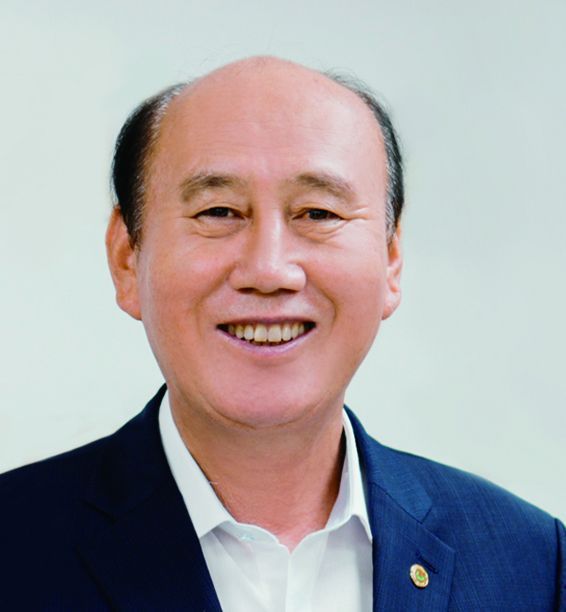
Mayor Park Hyungdeok of Dongducheon City stated, "This welfare strategy presents realistic alternatives to the welfare challenges our city faces," adding, "We will build a sustainable welfare system centered on citizens rather than administration, so that citizens can truly feel changes and improvements in their lives."
© The Asia Business Daily(www.asiae.co.kr). All rights reserved.


















