Lung cancer and heart disease risk increased
even in non-smokers
A study has found that consuming ultra-processed foods increases the risk of developing lung cancer by 41%, regardless of smoking status.
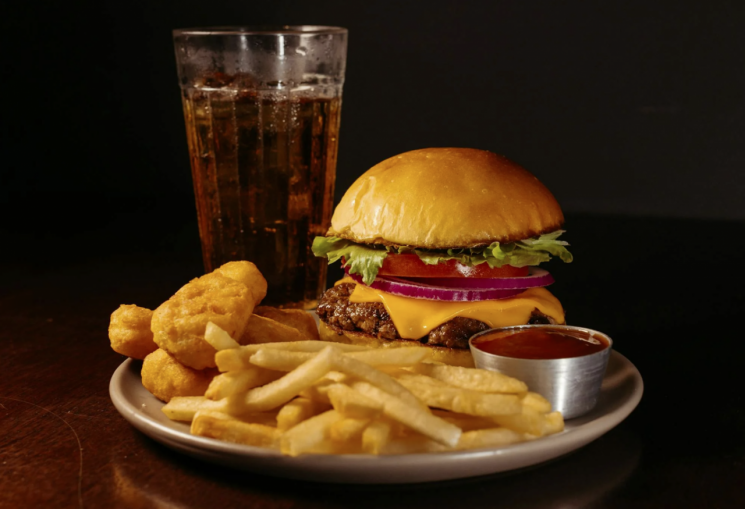
According to CNN on July 29 (local time), a recent paper published in the international respiratory disease journal Thorax reported that ultra-processed foods may increase the risk of lung cancer, in addition to heart disease, diabetes, and obesity.
Ultra-processed foods, as defined by the Food and Agriculture Organization (FAO) of the United Nations, are foods containing additives that are rarely used in typical households and are designed to make food tastier and more appealing. These ingredients are commonly found in products such as carbonated drinks, potato chips, instant soups, chicken nuggets, and ice cream. Preservatives, artificial colorings, emulsifiers, added or modified sugars, salt, and fats used to enhance flavor and appearance are also included.
The researchers analyzed data from more than 100,000 respondents to the dietary frequency survey in the US National Health and Nutrition Examination Survey (NHANES), and compared it with medical records of lung cancer diagnoses to investigate any associations. On average, participants consumed ultra-processed foods about three times per day. The main items consumed were processed meats, diet sodas, and soft drinks.
The results showed that individuals who consumed the most ultra-processed foods had a 41% higher likelihood of being diagnosed with lung cancer compared to those who consumed the least. This figure remained significant even after accounting for other variables such as smoking status.
The researchers stated, "Industrial processing alters the structure of food, affecting the absorption and utilization of nutrients, and can generate harmful contaminants." The team specifically highlighted 'acrolein', which, according to the US Centers for Disease Control and Prevention (CDC), can be produced not only when tobacco, wood, plastic, or gasoline are burned, but also when fats or oils are cooked at high temperatures. The researchers also noted that chemicals from food packaging could be problematic.
However, as this was an observational study, it is difficult to prove a direct causal relationship between ultra-processed foods and lung cancer. CNN pointed out, "There is a limitation in that only an association between the two was identified."
David Katz, a preventive and lifestyle medicine expert who did not participate in the study, commented, "This study strongly suggests that ultra-processed foods may be a risk factor for lung cancer."
Lung cancer, not only caused by smoking... "Other factors also play a role"
According to the World Health Organization (WHO), lung cancer has the highest incidence rate among cancers. As of 2022, it is estimated that about 2.4 million people worldwide were newly diagnosed.
Experts agree that smoking is clearly the main cause of lung cancer, but since cases also occur in non-smokers, they analyzed that other factors may also contribute to the development of lung cancer.
Zhang Fangfang, professor at the Friedman School of Nutrition Science and Policy at Tufts University, pointed out, "Because smoking is a very important risk factor for lung cancer, if it is not precisely controlled as a variable, there can be significant errors." She added, "Not only smoking status, but also daily smoking amount, duration of smoking, and cumulative smoking history should be considered." Nevertheless, she noted, "The association between ultra-processed foods and lung cancer appeared even stronger in the group of non-smokers."
Dr. Katz said, "Since the possibility that ultra-processed foods are a risk factor for lung cancer has been newly raised, it is important to switch to a diet focused on whole foods to improve dietary quality." He advised that a diet centered on unprocessed plant-based foods, such as vegetables, fruits, whole grains, beans, lentils, nuts, and seeds, is effective for improving health.
Professor Zhang recommended carefully checking food labels to improve one’s diet. She said, "If there is a long ingredient list filled with unfamiliar names, it is likely to contain artificial additives," and advised, "Try cooking with whole or minimally processed ingredients as much as possible."
© The Asia Business Daily(www.asiae.co.kr). All rights reserved.
![Clutching a Stolen Dior Bag, Saying "I Hate Being Poor but Real"... The Grotesque Con of a "Human Knockoff" [Slate]](https://cwcontent.asiae.co.kr/asiaresize/183/2026021902243444107_1771435474.jpg)
















