WSJ: Apple Has Approached Various Potential Acquirers Over the Past Two Years
The Wall Street Journal (WSJ) reported on July 29 (local time) that JPMorgan Chase, the largest bank in the United States, is in discussions with Apple regarding the acquisition of Apple's credit card business.
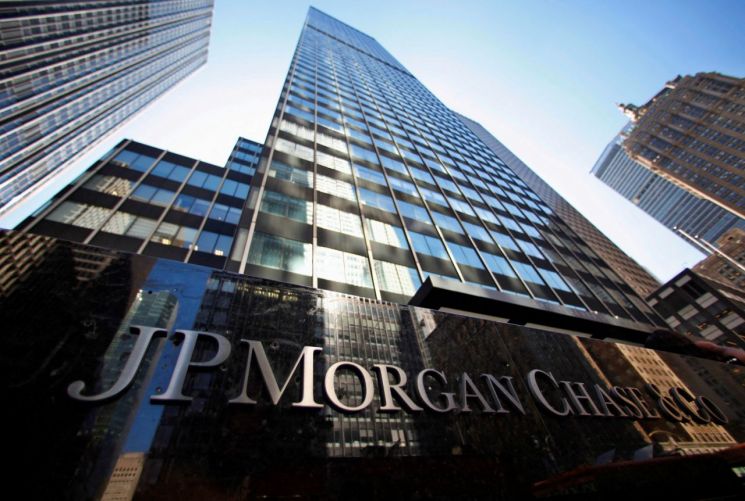
Citing sources familiar with the matter, WSJ stated that Apple has expressed its preference for JPMorgan as the new credit card business partner to replace Goldman Sachs, and that discussions between JPMorgan and Apple have progressed rapidly in recent months. However, WSJ explained that no contract has been signed between the two companies yet, and there are still issues to be resolved, so there is a possibility that negotiations could fall through.
Currently, Apple's credit card business partner, Goldman Sachs, holds approximately $20 billion (about 27.8 trillion won) in outstanding credit card receivables. If JPMorgan successfully acquires these assets, WSJ observed that JPMorgan's position as the largest credit card issuer in the United States would be further strengthened.
WSJ explained that if a deal is reached between the two companies, "JPMorgan will have the opportunity to secure Apple's loyal customer base and offer a variety of financial products, while Apple will be able to expand its consumer base and create a more favorable environment for product sales."
Apple has agreed to terminate its partnership with Goldman Sachs and, over the past two years, has reportedly approached a range of potential acquirers, including major credit card issuers such as American Express, Capital One, and Synchrony Financial, as well as fintech firms and private lending companies.
The background to Goldman Sachs's decision to withdraw from Apple's credit card business is deteriorating profitability. In particular, while most credit card companies generate steady income through late fees, the Apple credit card does not charge late fees, which has significantly limited revenue generation. Although Goldman Sachs, which has strengths in wealth management and corporate finance for high-net-worth clients, invested heavily in retail banking as a new growth engine targeting general consumers, mounting losses led the company to significantly scale back its retail banking operations.
© The Asia Business Daily(www.asiae.co.kr). All rights reserved.

















