Details to Be Discussed During This Visit
Iran announced on the 28th (local time) that officials from the International Atomic Energy Agency (IAEA) are scheduled to visit the country within the next two weeks.
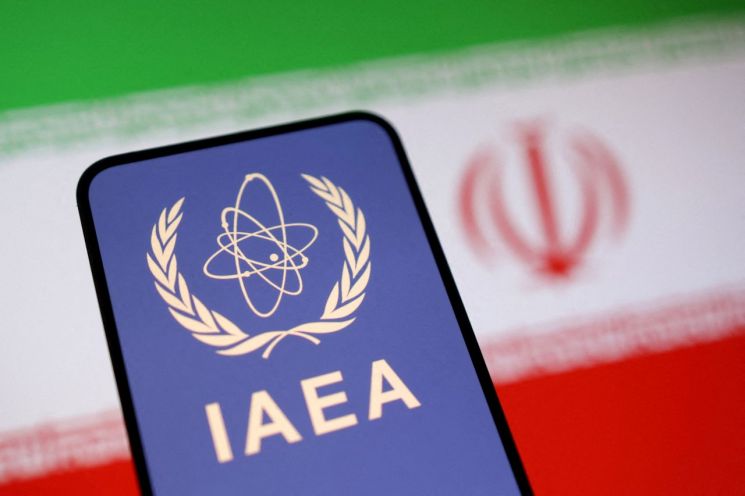
According to Iran’s state-run IRNA news agency, Esmail Baghaei, spokesperson for Iran’s Ministry of Foreign Affairs, stated during a regular briefing, “We will work with the IAEA to establish new guidelines and seek ways to continue cooperation. During this visit, we will discuss the details of these measures.”
Previously, Iran had declared last month that it would not allow IAEA inspection teams to enter the country until the safety of its peaceful nuclear activities was guaranteed, after its nuclear facilities were attacked by Israel and the United States. Subsequently, the inspection team that had been staying in Tehran left the country on the 4th.
Spokesperson Baghaei also commented on the nuclear negotiations resumed on the 25th with the three European countries (E3)?the United Kingdom, France, and Germany?stating, “We have conveyed our position that they do not have the authority to trigger the so-called ‘snapback’ measure.”
The E3 are parties to the 2015 nuclear agreement (JCPOA, Joint Comprehensive Plan of Action) between Iran and Western countries. The snapback mechanism is a provision that allows for the swift restoration of United Nations sanctions if Iran fails to implement the agreed nuclear program freeze and restrictions.
The United Nations Security Council adopted Resolution 2231 ten years ago to ensure the implementation of the agreement, and this resolution will expire on October 18 of this year.
However, the Donald Trump administration in the United States unilaterally withdrew from the nuclear agreement on May 8, 2018, and reinstated sanctions against Iran. As a result, Resolution 2231 has effectively lost its validity.
Spokesperson Baghaei, addressing speculation that European parties are seeking to extend the resolution, emphasized, “By supporting the attacks on Iran by the Zionist regime (Israel) and the United States, the European parties have raised fundamental questions about the validity of Resolution 2231 itself,” adding, “They do not have the authority to restore sanctions through such means.”
© The Asia Business Daily(www.asiae.co.kr). All rights reserved.

















