Explosive Popularity Among Health- and Gourmet-Conscious Youth
Supply Shortages in Japan... Concerns Over Declining Quality
Recently, matcha has been enjoying explosive popularity worldwide. The interest of the MZ generation, who pursue both health and gourmet experiences, combined with the 'Healthy Pleasure' trend, is establishing matcha as a premium food culture.

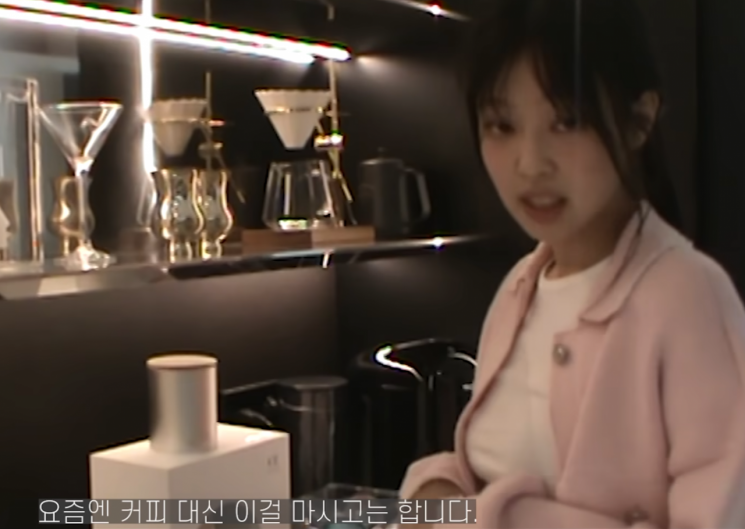

On July 24 (local time), outlets such as The New York Times (NYT) reported on this matcha craze.
Matcha, a high-quality tea used in Japanese tea ceremonies, is made by finely grinding green tea leaves into a powder. Its production process is much more demanding than that of regular leaf tea, and higher quality requires even more meticulous effort. The leaves must be grown while avoiding direct sunlight, and after harvesting, they are ground with special millstones, a process that takes a significant amount of time. As a result, only about 50 grams can be produced per hour.
Matcha is rich in antioxidants such as catechins, as well as vitamin C, vitamin E, and beta-carotene. Its antioxidant effect is said to be 15 times greater than that of blueberries, and recently, it has gained popularity for its reported benefits in blood sugar control and weight loss.
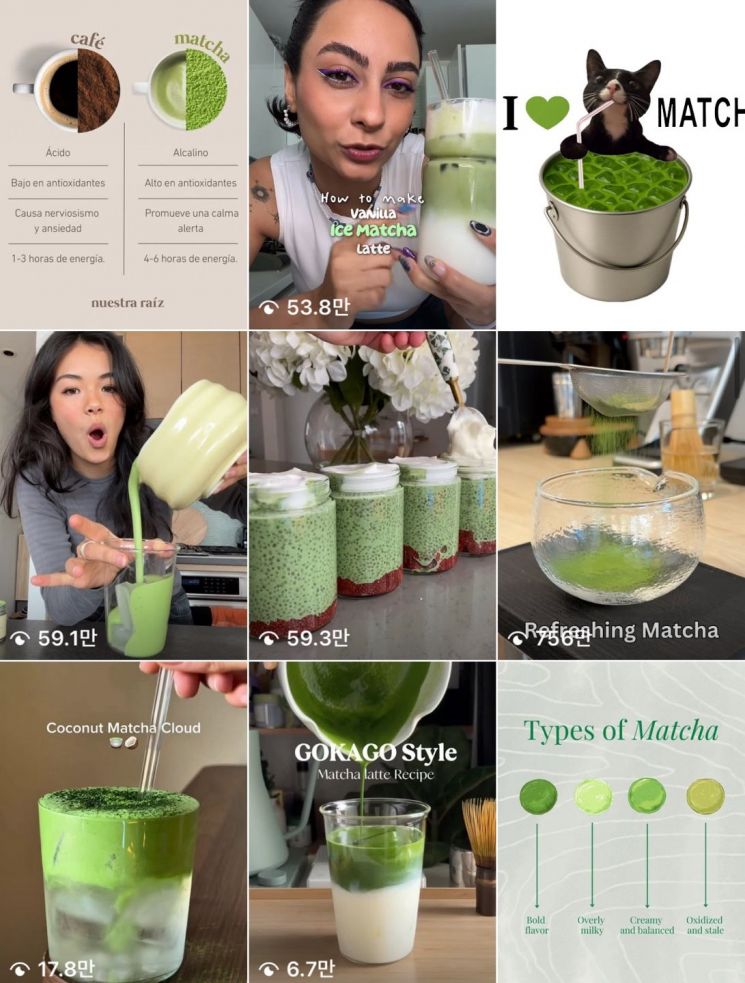
In addition to these health benefits, the popularity of matcha lattes, ice cream, and desserts on social networking services (SNS) like TikTok and Instagram has fueled the 'matcha craze' especially among people in their teens and twenties. The endorsement by celebrities such as Hailey Bieber and Zendaya has also had a significant impact. One consumer even said, "I set an alarm for midnight and make a purchase, just like buying limited-edition sneakers."
However, supply is unable to keep up with demand. The Japanese premium tea brand 'Sazen Tea' reported that its monthly sales increased fivefold in just one year, but said, "We simply cannot meet the demand." Some brands have implemented emergency measures such as purchase quantity limits, price increases, and even suspending sales. Paid notification services have even emerged.
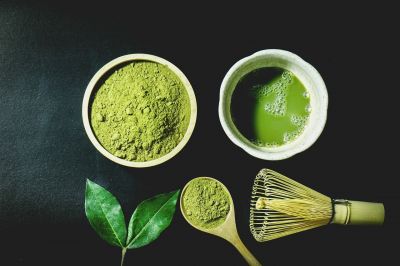
In Japan, the main production area for matcha, the annual production of 'tencha', the tea leaves used exclusively for matcha, is only 4,600 tons. This is a very small amount compared to over 40,000 tons of sencha, the standard leaf tea. Furthermore, most production farms are run by elderly family units, making expansion difficult.
Anna Poain, director of the Global Japanese Tea Association, said, "It takes more than five years to expand a farm or build a new factory," adding, "Because the matcha boom may be a temporary trend, farmers are not confident about making such investments."
There are also skeptical views about whether the matcha trend will continue. Since maintaining quality and care is essential in matcha production, some are concerned that if the industry cannot keep up with the pace of trend-driven consumption, the traditional Japanese tea industry could actually shrink.
© The Asia Business Daily(www.asiae.co.kr). All rights reserved.



















