FamilyMart Introduces Robots Equipped with AI Cameras
Cleaning Stores, Managing Inventory, and Promoting Products Simultaneously
The Japanese convenience store industry is accelerating the adoption of robots to address labor shortages caused by low birth rates and an aging population.
According to the Nihon Keizai (Nikkei) on July 26, FamilyMart in Japan plans to introduce robots capable of performing three roles: cleaning, inventory management, and product promotion. Equipped with an artificial intelligence (AI) camera, these robots will clean store floors four to five times a day while simultaneously taking photos of product shelves. If the inventory on the shelves decreases, the robot immediately notifies the store owner to restock. In addition, the robot features a promotional display for recommended products, enabling it to advertise items to customers.
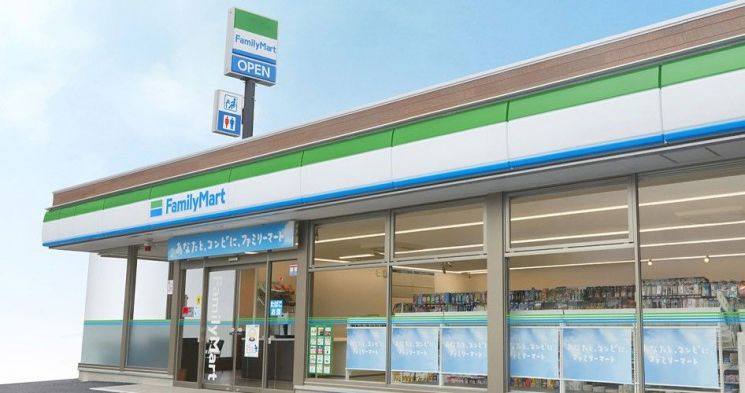
FamilyMart aims to deploy more than 1,000 robots across Japan starting next year. In particular, the introduction of robots offers the advantage of eliminating the hassle of operating convenience stores and addressing labor shortages. Compared to surveillance cameras installed on store ceilings, the cost burden is also lower. This is because a single robot can monitor the entire store without the need to install multiple cameras. Since 60% of FamilyMart franchise owners operate multiple stores, adopting robots can also reduce the effort required to visit several locations just to check inventory.
Since 2020, FamilyMart has deployed robots that monitor and restock inventory in 150 stores. These 'part-time robots' can restock up to 1,000 beverages per day, and their introduction has reportedly reduced the overall workload by 20%.
Other convenience store chains besides FamilyMart are also actively introducing robots. Last month, Lawson introduced a robot that automates beverage shelving at a new store in Tokyo, while 7-Eleven is piloting a customer service robot at its Kansai Expo store in Osaka that displays staff faces on a screen. This robot moves around the store and assists customers who have difficulty operating machines or devices.
According to market research firm Global Information, the global retail robot market is expected to grow to $57.1 billion (about 79 trillion won) by 2030. This is 4.6 times larger than in 2024.
© The Asia Business Daily(www.asiae.co.kr). All rights reserved.

















