Intensive Disinfection in Flooded and Contaminated Areas... Emergency Response System Maintained
Strict Personal Hygiene: Handwashing, Food Safety, and Mosquito Prevention
Gwangju City has strengthened infectious disease prevention activities in cooperation with district health centers to prevent the spread of infectious diseases in areas affected by flooding and contamination due to recent heavy rainfall. The city also urged citizens to strictly follow preventive guidelines.
After natural disasters such as floods, there is an increased risk of various infectious diseases, including: waterborne and foodborne diseases such as enteric infections, hepatitis A, bacterial dysentery, and typhoid fever; mosquito-borne diseases such as malaria and Japanese encephalitis; and other diseases such as contact dermatitis, ophthalmic infections, and leptospirosis.
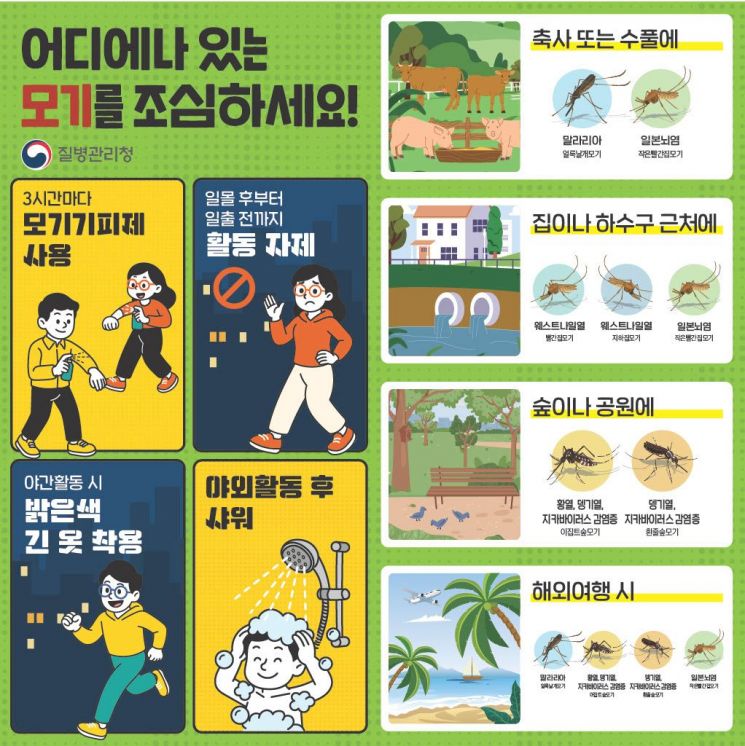
To prevent infectious diseases in the deteriorated sanitary environment, the city is advising citizens to: wash hands for at least 30 seconds before and after food preparation and before eating; discard food that has not been refrigerated or is contaminated; remove standing water; use mosquito repellent; and check mosquito nets and window screens.
During flood recovery work, it is important to minimize skin exposure by wearing waterproof clothing, boots, and rubber gloves, and to protect any wounds. Sufficient hydration and rest are also recommended, and exposed areas should be washed with clean water after work.
Kang Yunseon, Director of Public Health and Medical Services, emphasized, "Strict personal hygiene practices by citizens are most important for preventing infectious diseases," and requested, "If you suspect the occurrence of infectious diseases, such as group diarrhea, please promptly report it to the health center."
Meanwhile, Gwangju City, in cooperation with the five district health centers, has conducted intensive disinfection in flooded areas and facilities vulnerable to infection. Customized on-site disinfection was carried out mainly in puddles and pest breeding grounds where mosquitoes are likely to inhabit, and the emergency response system for group outbreaks of infectious diseases continues to be maintained.
© The Asia Business Daily(www.asiae.co.kr). All rights reserved.

















