Government and Medical Community to Discuss Return of Residents at First Meeting on the 25th
The government and the medical community are coming together at the discussion table for the first time in a year and six months. This is the first official meeting since the conflict began in February last year over President Yoon Suk-yeol’s policy to increase medical school admissions by 2,000 students.
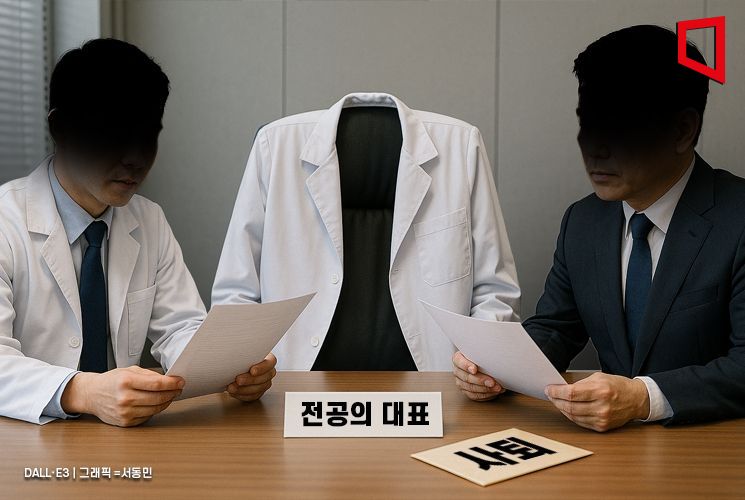
According to the medical community on July 25, the “Residency Council”?which includes the Ministry of Health and Welfare, the Korean Intern Resident Association (KIRA), the Association of Training Hospitals, the Korean Academy of Medical Sciences, and the Residency Environment Evaluation Committee?will hold its first meeting at 10:30 a.m. at The Plaza Hotel in Jung-gu, Seoul.
The meeting will be attended by Lee Hyunghoon, Second Vice Minister of Health and Welfare, Han Sungjon, Emergency Committee Chair of KIRA, and representatives from each organization. They are expected to discuss plans for the council’s future operations to improve the training environment for residents and to ensure continuity of training. As the regular recruitment announcement for residents in the second half of the year is imminent, measures to facilitate the return of residents who have resigned to their training hospitals are also likely to be explored.
A Ministry of Health and Welfare official explained, “Since this is the first meeting, the focus will be less on specific agenda items and more on how the council will operate in the future and what schedule it will follow.”
Previously, KIRA presented three main demands as prerequisites for residents’ return to training hospitals in the second half of the year, scheduled for September: ▲Re-examination of the essential medical policy package ▲Improvement of the training environment and guarantee of training continuity ▲Reduction of legal liability for medical accidents. While they have not officially demanded “special exceptions” for returning, it is known that many residents argue that measures such as postponement of military enlistment for those who have not yet served are necessary to ensure continuity of training.
On the other hand, some civic groups, including patient organizations, have raised concerns about fairness, arguing that it is an undue “privilege” for residents to return to the medical field without disciplinary action or accountability, despite having failed to fulfill their duty to remain at their posts and having engaged in collective action.
Separate from the council discussions, the announcement for the recruitment of residents for the second half of the year is expected as early as next week. A Ministry of Health and Welfare official stated, “We are preparing the recruitment announcement for the end of July as usual, but the timing could be flexible depending on the progress of discussions with medical students and residents.”
At her inauguration ceremony on July 22, Minister of Health and Welfare Chung Eunkyung told reporters, “If there is a gap of more than two years in the production of new doctors, the difficulties for patients and the public will only worsen. We will seek efficient and reasonable ways to normalize the situation quickly, in line with public expectations. Once the parties involved in training reach a consensus, the government will actively support the process and seek solutions through the Residency Council.”
© The Asia Business Daily(www.asiae.co.kr). All rights reserved.

















