Lower Courts Recognized Fraud and Imposed Suspended Prison Sentence
Supreme Court: "Difficult to Consider Closely Related to Approval Decision"
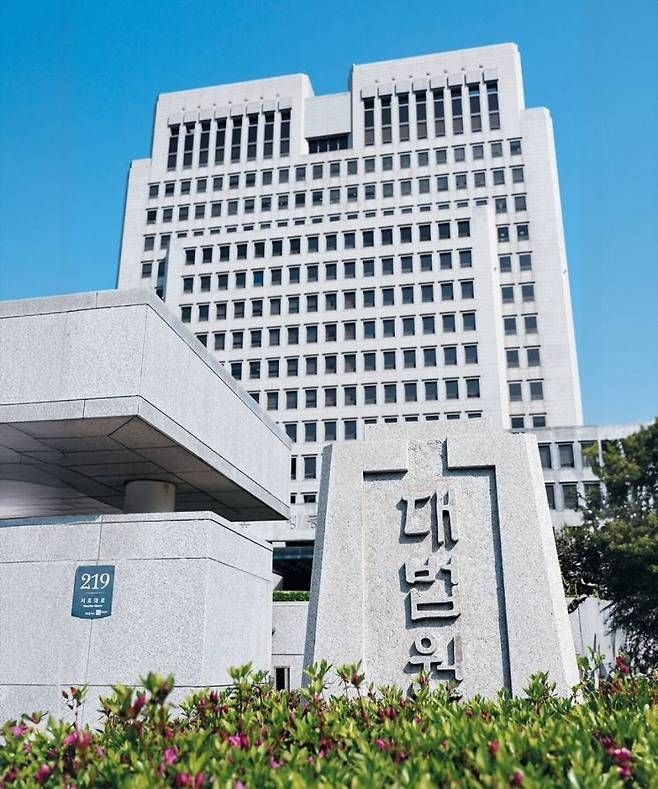
The Supreme Court has ruled that if a debtor who files for personal bankruptcy submits false information about assets and income to the court, this act cannot be considered fraud unless it is closely related to the approval decision.
According to the legal community on the 24th, the First Division of the Supreme Court (Presiding Justice Seo Kyunhwan) overturned the previous verdict, which had sentenced an individual to eight months in prison with a two-year suspended sentence on charges of fraud, and remanded the case to the Daegu District Court.
Mr. A, who was running an animal hospital, incurred debts amounting to several hundred million won after attempting to start a franchise business. As a result, he applied for commencement of rehabilitation proceedings at the Seoul Bankruptcy Court. After the commencement of rehabilitation was decided in October 2017, Mr. A reported only the salary of 4.4 million won per month from the animal hospital in Ansan in the income section. He did not include additional allowances received through an account in his wife's name.
Subsequently, Mr. A received approval for the rehabilitation plan in February 2018, and in July of the same year, the proceedings were concluded, resulting in the exemption of 735.31 million won out of a total debt of 1,174.27 million won owed to 31 creditors. Mr. A was prosecuted on the grounds that he had gained unfair financial benefits by making false statements about his assets.
Both the first and second trial courts found Mr. A guilty. The first trial sentenced him to one year in prison with a two-year suspended sentence, while the second trial reduced the sentence to eight months in prison with a two-year suspended sentence. The courts pointed out that if the additional allowances were included, the total salary would increase, which could affect the contents of the related reports.
However, the Supreme Court's judgment was different. The Supreme Court stated, "It is difficult to regard this act as being objectively closely related to the approval of the rehabilitation plan. Therefore, it cannot be definitively considered an act of deception constituting fraud." The court further noted, "There is a possibility that the defendant omitted the additional allowances due to a legal misinterpretation, and he did not submit any false supporting documents, but merely failed to properly reflect the additional allowances."
© The Asia Business Daily(www.asiae.co.kr). All rights reserved.
![Clutching a Stolen Dior Bag, Saying "I Hate Being Poor but Real"... The Grotesque Con of a "Human Knockoff" [Slate]](https://cwcontent.asiae.co.kr/asiaresize/183/2026021902243444107_1771435474.jpg)











