Korea Consumer Agency Tests 11 Low-Sugar and Zero-Sugar Products
Some Products Have Calorie Content Similar to Regular Ice Cream
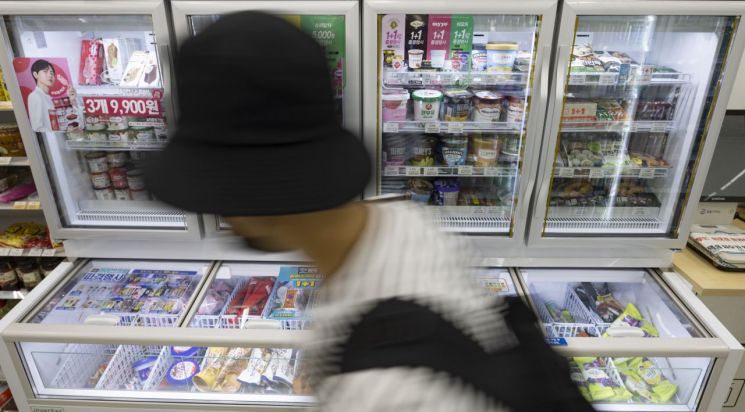
The Korea Consumer Agency announced on July 24 that, after testing 11 low-sugar and zero-sugar ice cream products popular among consumers in the summer, it found that many of them contained sugar alcohols as alternative sweeteners instead of sugar. The agency stated, "Consuming multiple servings of these products may cause diarrhea or abdominal bloating, so it is necessary to control intake."
Sugar alcohols are not digested and can reach the large intestine, which may disrupt the balance of intestinal microbiota. Therefore, excessive intake should be avoided. According to the Act on Labeling and Advertising of Foods, products containing 10% or more sugar alcohols must display a warning that excessive consumption may cause diarrhea. All products examined complied with this regulation.
Out of the 11 products, 10 used sugar alcohols such as erythritol (in 8 products) and maltitol (in 4 products) as alternative sweeteners. Per serving, erythritol content ranged from 1g to 8g in the 8 products, while maltitol ranged from 6g to 15g in the 4 products. The sugar alcohol content by product ranged from 1% to 19%.
By product, the Zero Wit Dang Zero Vanilla Bar (Pulseus Co., Ltd., Choco Bar) contained the highest amount of sugar alcohols at 16g (19% of the product) per serving, while the Mynormal Vanilla (Mynormal Company Co., Ltd., Pint) contained none. In addition to sugar alcohols, other alternative sweeteners such as allulose and sucralose were used in low-sugar and zero-sugar ice creams.
The calories in the tested products ranged from 57kcal to 201kcal, which is equivalent to 3% to 10% of the estimated daily energy requirement. Monaka products (127kcal to 161kcal) and pint products (57kcal to 111kcal) had lower calories compared to regular ice cream (85ml, 190kcal), while choco bar products (149kcal to 201kcal) were at a similar level.
The Zero Ice Cookie & Cream Bar (Lotte Wellfood Co., Ltd., Choco Bar) had the highest calorie content at 201kcal (10%), while the Lightly Himalayan Pink Salt Vanilla (Daesang Co., Ltd., Pint) had the lowest at 57kcal (3%).
Saturated fat content ranged from 2g to 10g, with some products exceeding 50% of the daily nutritional reference value, so caution is advised. By type, choco bar products had relatively higher saturated fat content (8g to 10g) compared to monaka (3g to 5g) and pint products (2g to 7g), but were similar to regular ice cream (85ml, 10g).
Specifically, the Beurre Low Sugar Cookie and Butter Bar (Virtue Company Co., Ltd., Choco Bar) contained the highest amount of saturated fat at 10g (67%) per serving (85ml), while the Lightly Himalayan Pink Salt Vanilla (Daesang Co., Ltd., Pint) had the lowest at 2g (13% per 100ml).
Meanwhile, hygiene and safety tests found that none of the products contained bacteria, coliforms, or pathogenic microorganisms that could cause food poisoning. Prices ranged from 1,286 KRW to 4,118 KRW per 100ml among the tested products, a difference of up to 3.2 times between products.
The Korea Consumer Agency stated, "Through tests on products with high consumption in the summer, we are providing consumers with a variety of information to help protect their health and safety." The agency also announced plans to recommend to the Ministry of Food and Drug Safety to conduct a survey on the use and intake of alternative sweeteners, as these are now being used in a wide range of foods, including snacks, sauces, and ready-to-eat meals, in addition to ice cream.
© The Asia Business Daily(www.asiae.co.kr). All rights reserved.

















