Jeju Air announced on July 22 that it had purchased and introduced its sixth B737-8 aircraft on July 19. The company plans to further expand its fleet by purchasing and introducing two additional aircraft of the same model by the end of this year.
Including this latest addition, Jeju Air has accelerated its fleet modernization by bringing in a total of three new aircraft consecutively over the past three months, at a rate of one per month. The total number of aircraft owned by Jeju Air has increased to 44, consisting of 42 passenger planes and 2 freighters. As a result, Jeju Air now owns 11 purchased aircraft, including five B737-800NGs and six next-generation B737-8s, meaning that 25% of its entire fleet has been converted to purchased aircraft.
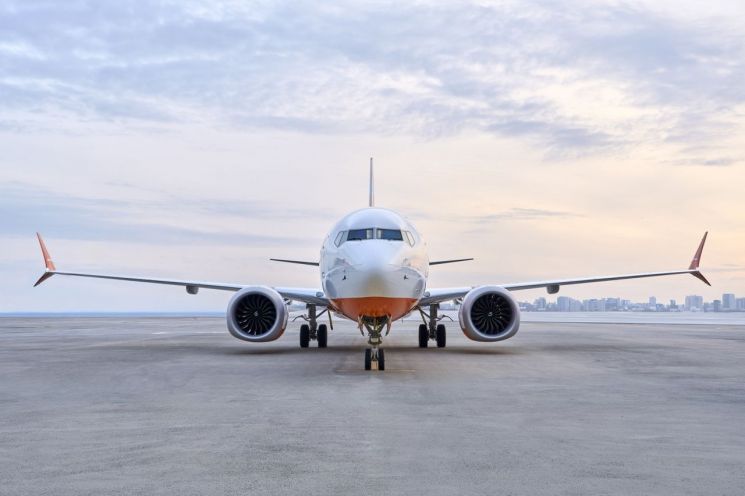
Based on the newly expanded fleet, Jeju Air plans to increase flights on existing routes and launch new routes, aiming to operate its network more efficiently. The company expects to achieve a sustainable profit structure by changing its aircraft operation strategy, including returning leased aircraft whose contracts have expired and purchasing new aircraft. Through these efforts, Jeju Air anticipates reducing annual operating costs by approximately 14%.
Meanwhile, during the peak travel season in July and August, Jeju Air will increase flights to match passenger demand, operating 74 additional weekly flights on 12 routes, including Fukuoka, Weihai, Cebu, and Ulaanbaatar. In addition, the airline will launch new routes: Incheon to Singapore with seven weekly flights starting July 24, Busan to Shanghai with four weekly flights (Monday, Wednesday, Friday, and Sunday) starting July 25, and Incheon to Guilin with four weekly flights (Wednesday, Thursday, Saturday, and Sunday) starting October 1. These efforts aim to expand travel options and enhance convenience for passengers.
© The Asia Business Daily(www.asiae.co.kr). All rights reserved.

















