A Major Leap for Gimpo City: From Community Sports to Infrastructure and Elite Athletics
Full Marathon Course, Gimpo FC's Sensation, and Completion of Multipurpose Sports Facilities
Workplace Sports Teams Achieve Top National Rankings Beyond the Region
427% Increase in Sports Class Vouchers for People with Disabilities
Gimpo City in Gyeonggi Province is gaining attention as a "leading city in sports," standing out across all areas from community sports and elite athletics to the sports industry and infrastructure, just three years after its establishment.
This is the result of a comprehensive overhaul of sports policies, ranging from community sports to elite athletics, the sports industry, and infrastructure. It demonstrates that the city is simultaneously building a foundation where all citizens can participate in and enjoy sports, and where elite athletes can compete on the national stage.
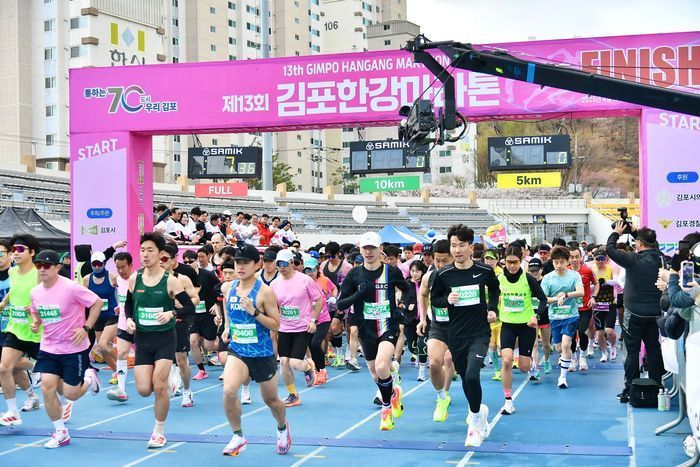
The most notable achievement is the resurgence of the "Gimpo Hangang Marathon."
After being suspended due to COVID-19, the event was relaunched in 2022 under the 8th popularly elected administration. It was transformed into a festival-style sports event, breaking participation records every year. In 2025, the introduction of a full marathon course expanded the event into a large-scale competition with 6,600 participants. The event also drew attention for moving beyond a simple competition by expanding family-oriented experience programs and citizen participation content, creating a new model that fuses sports and culture.
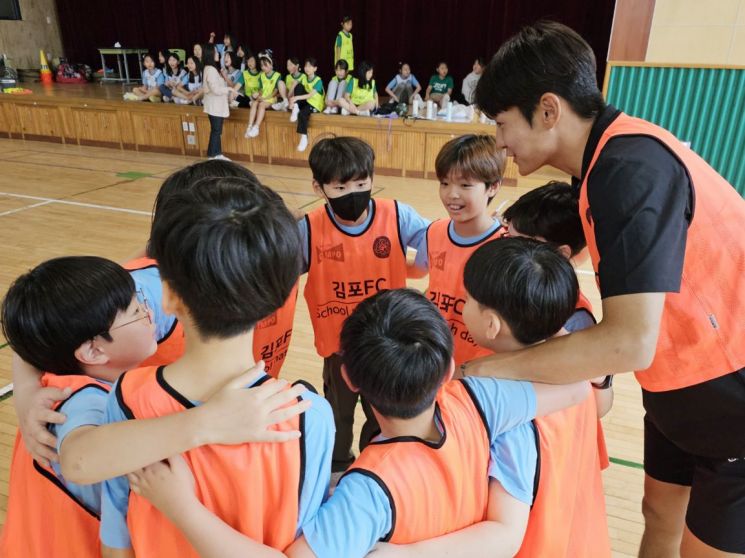
Gimpo FC has quickly made its presence felt in K League 2 under the 8th administration. The team finished third in the 2023 season, securing its first-ever playoff appearance, and in the 2024 Korea Cup, it caused an upset by defeating K League 1 powerhouse Jeonbuk Hyundai to reach the quarterfinals. The fan base has also grown significantly, with home game attendance increasing by 1.2 times over two years, YouTube subscribers by 6.6 times, and Instagram followers by 3.2 times, rapidly expanding engagement with citizens. Sales of club merchandise have also increased by about 20% annually, driving the growth of the local sports consumer market. In addition, through events such as the Fan Love Festival, School Match Day, and volunteer activities for underprivileged groups, Gimpo FC is strengthening its identity as a "club together with citizens," going beyond the role of a typical professional team.
The city has also focused on enhancing the competitiveness of elite sports.
At the Gyeonggi-do Comprehensive Sports Games, Gimpo achieved first place in boxing, second place in badminton and basketball, and third place in bodybuilding and billiards, ranking highly across multiple disciplines. In particular, the basketball team has maintained a top ranking for three consecutive years, solidifying its status as a traditional powerhouse.
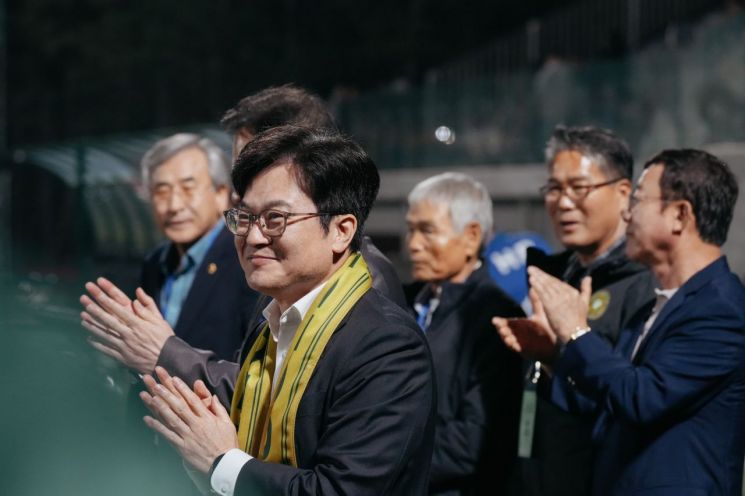
The city's workplace sports teams?track and field, taekwondo, tennis, and boxing?participate in 50 to 60 competitions annually, consistently winning over 100 medals, with achievements extending to international events. Taekwondo athlete Lee Hakseong won consecutive gold medals at the 2024 World Deaf Taekwondo Championships and the Asia-Pacific Deaf Games, and was also selected for the national team for the 2025 Tokyo Deaflympics.
The foundation for student athletes is also being supported through policy measures. To address the decline in participation by school sports teams, the city has strengthened the G-Sports Club system, expanded funding and equipment support, improved the quality of training environments, and secured more opportunities for competition participation.
Since the launch of the 8th administration, Gimpo City has made comprehensive investments in expanding sports facilities. The city has sequentially completed indoor and outdoor multi-purpose sports complexes such as the Yangkok Culture and Sports Center, Gimpo Bandabi Sports Center, Daegot Culture and Welfare Center, Solte Soccer Field, and Solte Indoor Tennis Court, improving access to sports facilities across different regions.
As a result, the per capita public sports facility area in Gimpo increased from 0.39 square meters in 2023 to 0.43 square meters by the end of 2024. The city is also currently constructing several new facilities, including the Pungmu Sports and Culture Center, Indoor Badminton Court, Janggi Geumbit Sports Center, Hakun Culture and Sports Center, and Solte Park Golf Course.
The transparency and fairness of sports facility operations have also been enhanced. The city has established a foundation for equal access by introducing a citizen lottery system, upgrading the online reservation system, and implementing systems to block illegal programs.
Gimpo City's sports welfare policies under the 8th administration have been implemented to effectively address administrative blind spots. The number of beneficiaries of the Sports Class Voucher and Disabled Sports Class Voucher programs increased by 89% and 427%, respectively, compared to 2022, expanding actual participation opportunities for sports-marginalized groups.
In particular, the number of eligible sports has been expanded to more than 26, including swimming, judo, soccer, and badminton, reflecting the diversity of demand. This policy is not just about increasing numbers, but has become a core initiative for realizing "equality of opportunity" in public sports. Notably, the number of community sports instructors for people with disabilities has been doubled, and the number of programs increased from 19 to 39, focusing on creating an inclusive sports environment.
In the mid- to long-term, Gimpo City is preparing to become a new hub for winter sports. The city is actively participating in Ministry of Culture, Sports and Tourism public projects, signing agreements with related organizations, and operating experience programs to attract an international skating rink, which is expected to generate an economic effect of about 1.25 trillion won and create around 4,000 jobs.
Through these efforts, Gimpo City is pursuing a transition to a "skating sports-friendly city" and is expected to lay the foundation for attracting international competitions and building a winter sports industry ecosystem in the future.
Gimpo City approaches sports not simply as a matter of athletic achievement, but as a means of "improving citizens' quality of life." In practice, the city's sports welfare policies contribute to strengthening urban competitiveness by attracting various public projects, securing fiscal efficiency, and revitalizing the local economy.
Kim Byungsu, Mayor of Gimpo, stated, "Sports are a welfare foundation responsible for citizens' health and a key asset that enhances Gimpo's city brand. As Gimpo moves toward becoming a city of 700,000, we will continue to build sports infrastructure and implement policies so that everyone can gain vitality in life through sports."
© The Asia Business Daily(www.asiae.co.kr). All rights reserved.



















