Set Up a Fake Dermatology Clinic to Administer Etomidate, a Drug With Effects Similar to Propofol
House Calls Made to Evade Crackdowns... Over 1 Billion Won Worth Sold and Administered
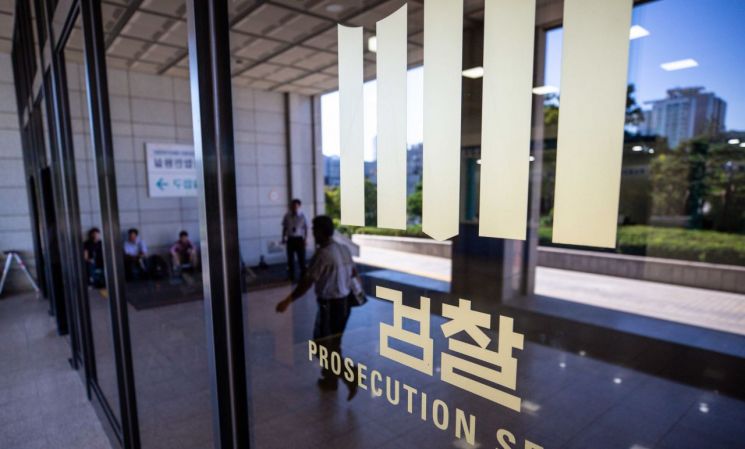
A sales organization that falsely reported exporting the general anesthetic etomidate overseas and then siphoned it off for illegal domestic distribution has been brought to trial.
On July 21, the Medical Narcotics Investigation Team of the Seoul Central District Prosecutors' Office (headed by Kim Boseong, Chief of the Violent Crime Investigation Division) announced that it had indicted, and detained, five individuals including Lee (41), the CEO of pharmaceutical wholesale company A and the top supplier of etomidate, on charges including violations of the Pharmaceutical Affairs Act. Four others were indicted without detention.
According to prosecutors, Lee, the CEO of the pharmaceutical wholesale company, is accused of selling 35,000 ml of etomidate to Choi, a former employee of company A and an intermediary supplier, for 100 million won between May and August last year.
Although Lee was qualified to handle pharmaceuticals, he exploited a loophole in the Pharmaceutical Affairs Act, which does not include "export" under the definition of "sale." By filing export reports, he was able to evade regulations on sales, and he took advantage of the lack of oversight regarding exports to illegally distribute etomidate by submitting false export declarations.
However, prosecutors became suspicious after weighing the packages Lee claimed to have shipped to Thailand and finding them unusually light. They investigated the recipient in Thailand, who stated, "I never received etomidate. I ordered and received functional cosmetics." This testimony confirmed the "false export" scheme.
Through Lee and the intermediary supplier, the distributors and administrators who received the etomidate set up a fake dermatology clinic called "Skin Clinic" in Gangnam, Seoul. From May last year to January this year, over approximately eight months, they sold and administered etomidate worth about 1.068 billion won in more than 600 transactions to addicts.
When a 112 report was filed after addicts were spotted at the clinic, the group continued their sales by avoiding crackdowns and making house calls to their own or the addicts' residences. According to prosecutors, the group divided roles such as clinic operator, finance manager, and nurse assistant, and systematically committed the crimes, even receiving addict referrals from someone with experience as a clinic manager. Their sole motive was financial gain, and they supplied etomidate without limitation, resulting in a proliferation of addicts.
Etomidate has similar effects to propofol, a general anesthetic, but is not classified as a controlled substance. As a result, even if illegal distribution is uncovered, only the Pharmaceutical Affairs Act applies, leading to relatively light penalties. There are also no regulations for punishing those who use the drug, which has led to a surge in misuse cases.
In response, the Ministry of Food and Drug Safety designated etomidate as a drug of concern for abuse in October 2020. In February this year, a revision to the Enforcement Decree of the Narcotics Control Act, which would classify etomidate as a controlled substance, was announced and is currently under review in the National Assembly.
Prosecutors have recommended that the Health Insurance Review and Assessment Service strengthen monitoring and oversight of pharmaceuticals for export in order to prevent illegal distribution of etomidate until it is officially classified as a controlled substance.
© The Asia Business Daily(www.asiae.co.kr). All rights reserved.

















