Announcement of Investigation into New Nuclear Plant Construction
Kansai Electric: "The Time Has Come to Begin Consideration"
For the first time since the Fukushima Daiichi Nuclear Power Plant accident caused by the Great East Japan Earthquake in March 2011, Japan is moving forward with plans to build a new nuclear power plant.
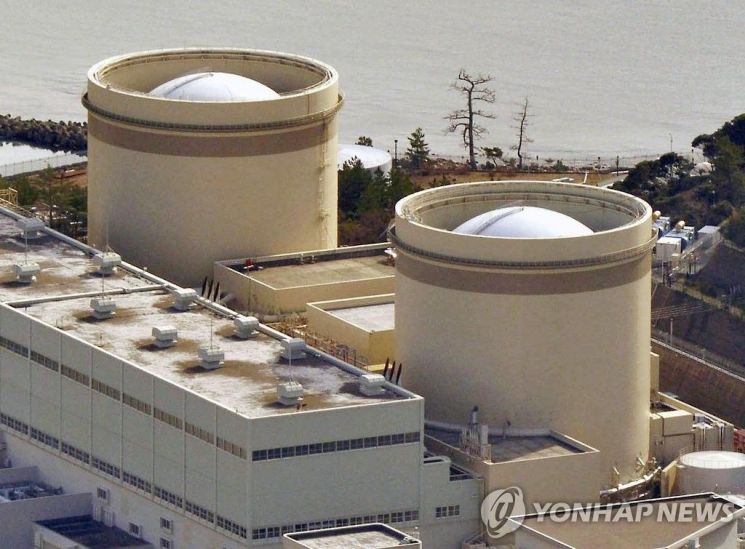
According to the Asahi Shimbun, the Nihon Keizai Shimbun (Nikkei), and other sources on July 19, Kansai Electric Power Company is considering constructing a nuclear power plant on the grounds of the Mihama Nuclear Power Plant in Fukui Prefecture, located in the central-western region of Honshu.
Kansai Electric Power Company plans to explain this proposal to local authorities in Fukui Prefecture as early as next week and announce that it will begin research for the new nuclear plant construction.
In 2010, just before the Great East Japan Earthquake, Kansai Electric Power had pursued a plan to build a new reactor to replace the aging Mihama Nuclear Power Plant Unit 1, but halted the project after the Fukushima Daiichi accident. Units 1 and 2 of the Mihama plant have since been decommissioned, and currently only Unit 3 remains in operation.
The Asahi Shimbun reported that "resuming geological and topographical surveys around the Mihama Nuclear Power Plant is under discussion," but also noted that the entire project could be reconsidered from scratch.
Mori Nozomu, president of Kansai Electric Power, has emphasized that the time has come to begin considering the construction of new and additional nuclear power plants. Kansai Electric currently operates seven nuclear reactors in Fukui Prefecture, but five of them have been in operation for over 40 years.
In Japan, nuclear power plants can operate for more than 60 years, but it takes about 20 years to build a new one. After the Great East Japan Earthquake, Japan had been reducing its reliance on nuclear energy, but this year the government reversed its policy and decided to maximize the use of nuclear power in the future.
The Japanese government has decided to raise the share of nuclear power in the country's energy mix from the current 8.5% to 20% by 2040. To achieve this goal, the number of operating nuclear reactors must be more than doubled from the current level.
Japan has also adopted a policy to construct next-generation reactors on existing sites, utilizing decommissioned nuclear plant locations.
A Kansai Electric official stated, "Compared to immediately after the earthquake, the number of people who recognize the value of nuclear power has increased. The environment we face has changed."
The Nikkei explained, "The last nuclear power plant built in Japan was Hokkaido Electric Power's Tomari Nuclear Power Plant Unit 3, which began operation in 2009," and added, "The government is now beginning to utilize nuclear power, which it has defined as necessary to achieve its decarbonization goals."
© The Asia Business Daily(www.asiae.co.kr). All rights reserved.

















