Ordinary Local Allocation Tax Received by Sejong City Is Even Less Than That of Basic Local Governments
Sejong City, which holds the legal status of a metropolitan government and is one of the 17 metropolitan governments nationwide, receives a lower ordinary local allocation tax than even some basic local governments. Its reputation within the local administrative structure has long been diminished. As a city launched as an administrative-centered complex city, Sejong once enjoyed financial abundance thanks to acquisition and registration taxes from newly built apartments, but even that is no longer something the city can rely on. The number of new apartments being built is low, population inflow is stagnant, and the population has failed to surpass 400,000, remaining at a standstill. In short, Sejong City's coffers are empty.
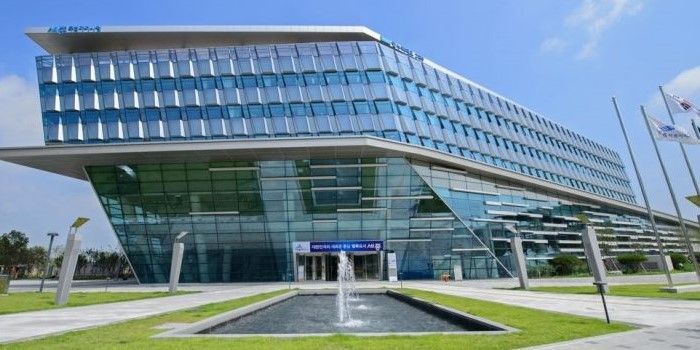
In order to assess this situation and discuss countermeasures, a forum has been organized to review the city's fiscal status and discuss topics such as the local allocation tax, the operation of local education finances, and the fixed-rate system for ordinary local allocation tax, with the aim of strengthening the fiscal special provisions in the Sejong City Act.
According to the Sejong City National Balanced Development Support Center, a "Balanced Development Policy Forum to Strengthen Fiscal Special Provisions in the Sejong City Act" will be held on the 23rd, as announced on the 18th.
According to the center, since its establishment in 2012 and its growth as an administrative capital, Sejong City has recently seen a decline in revenue due to decreases in acquisition and registration taxes, while fiscal demand has increased in essential areas such as social welfare, education, and safety. The city has also taken over public facilities from the Multifunctional Administrative City Construction Agency (Happiness Agency) without separate budget allocations, raising concerns about fiscal stability.
Therefore, a forum has been prepared to review the current fiscal situation.
Director Ko Cheolyong of the center expressed, "Whenever I hear the media or people around me describe Sejong as a wealthy city, I feel regretful that the reality of the region is not well known," and added, "While a basic local government with a similar population receives 344.3 billion won in ordinary local allocation tax, Sejong receives only 115.6 billion won."
He continued, "This city was planned to address the imbalance and inequality caused by overconcentration in the capital region, but the current situation is paradoxical," and stated, "I hope this will be a meaningful opportunity to pool wisdom and establish long-term fiscal special provisions to realize a self-sustaining city, rather than relying on temporary budget support."
© The Asia Business Daily(www.asiae.co.kr). All rights reserved.

















