State Council Executive Meeting Chaired by Premier Li Qiang
Reiterates Commitment to Boosting Domestic Demand
"Elimination of Unreasonable Consumption Restrictions"
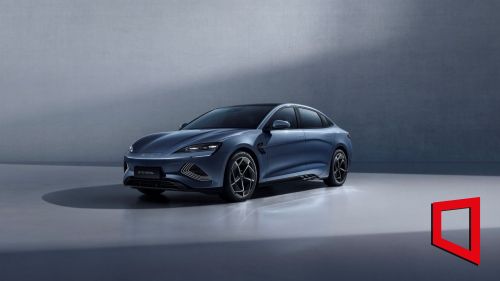
Amid growing concerns over cutthroat competition among Chinese new energy vehicle (NEV) companies, the Chinese government has stated that it recognizes the need to address the issue. Authorities have also announced plans to eliminate "unreasonable consumption restrictions" in an effort to boost domestic demand.
According to China's state-run Xinhua News Agency on the 17th, the State Council executive meeting chaired by Premier Li Qiang the previous day pointed out the need to address issues such as excessive production and overly aggressive price competition among domestic automakers, which have recently become a source of controversy.
The executive meeting stated, "With regard to various irrational competitive practices emerging in the NEV industry, we must combine macro- and micro-level policies and implement comprehensive measures to effectively standardize the order of industrial competition."
The meeting further emphasized, "We need to strengthen cost investigations, price monitoring, and supervision and inspection of product production consistency. Key automakers must be supervised to fulfill their payment commitments to subcontractors. In addition, a long-term mechanism to regulate competition should be established, and industry autonomy should be enhanced so that companies can improve their competitiveness through scientific and technological innovation as well as quality enhancement."
Earlier this month, global consulting firm AlixPartners warned in a recent report that if NEV companies do not stop their excessive discount competition, only 15 out of 129 brands will survive within five years. The report also projected that by 2030, less than 10% of brands will be profitable. However, the report did not disclose the names of the companies, apparently considering the potential impact.
Stephen Dyer, head of AlixPartners' Asia automotive division, noted, "China is one of the most fiercely competitive NEV markets in the world," adding, "Intense price competition, technological innovation, and the emergence of new players continue to shape the market." He went on to say, "While this environment has driven remarkable progress in technology and cost efficiency, many companies are struggling to achieve sustainable profitability."
The authorities also reiterated their commitment to boosting domestic demand. The executive meeting called for "systematically eliminating unreasonable restrictions that limit consumption, improving the 'old-for-new' policy for consumer goods, and expanding diversified supply to meet consumer demand." The meeting also stressed the need to "increase investment in areas such as new quality productive forces and emerging service industries, and fully unlock the potential of domestic demand."
As in the previous year, China has set a growth target of "around 5%" for this year. However, externally, trade tensions with the United States and, internally, a prolonged slump in domestic demand have been cited as obstacles. In response, authorities have been implementing domestic demand stimulus policies since last year, including new product replacement policies for consumer goods and production equipment. At the annual "Two Sessions" (National People's Congress and Chinese People's Political Consultative Conference) held in March this year, boosting domestic demand was set as the top priority.
However, the economic report card for the first half of this year, released on July 15, indicates that the recovery in domestic demand fell short of expectations. Amid the ongoing tariff war with the United States, exports were brought forward, resulting in a gross domestic product (GDP) growth rate of 5.3%, which exceeded market expectations. However, retail sales in June increased by only 4.8%, down from 6.4% in the previous month and below the market forecast of 5.4%.
© The Asia Business Daily(www.asiae.co.kr). All rights reserved.

















