Recently, the "fruitlic" (fruit + holic) trend, which refers to enjoying fruit with a strong attachment or even obsession rather than simply as an ingredient, has been gaining attention.
In the past, fruit was often just a secondary ingredient or a decorative element in dishes. Now, visually appealing menus that feature fruit as the main attraction are emerging throughout the food service industry.
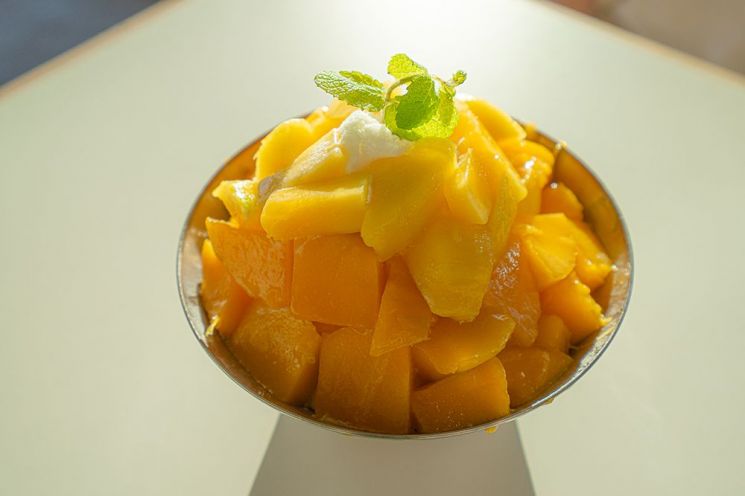
The healthy image of fruit, its vibrant colors, and rich flavors provide high satisfaction to consumers. At the same time, the rapid rise in fruit prices?so significant that a new term, "appleflation" (Apple + Inflation), has been coined?has led to an increase in the consumption of fruit in the form of desserts or beverages, rather than purchasing and eating whole fruit directly.
During the summer months in Korea (June to August), seasonal fruits such as watermelon, Korean melon, peach, plum, and grape reach their peak in both taste and nutrition. Most of these fruits are rich in vitamins, flavonoids, and polyphenols?antioxidants?and are high in dietary fiber, so they are generally recognized as healthy foods.
However, these fruits contain fructose, a natural sugar, so excessive consumption may have negative health effects and requires caution.
Fructose is a type of simple sugar. When consumed in its natural form through fruit or vegetables, it is accompanied by vitamins, antioxidants, and dietary fiber, making it an excellent food choice in moderation. However, fructose is primarily metabolized in the liver, and when consumed in excess, it is converted into triglycerides and accumulated in the body, which can lead to non-alcoholic fatty liver disease.
Although fructose does not raise blood sugar levels as quickly as glucose, continuous excessive intake can increase insulin resistance and promote fat accumulation, thereby raising the risk of obesity and type 2 diabetes.
The issue with the current fruitlic trend is that people are not only consuming fresh fruit. Many are consuming fruit in various processed forms, such as fruit juice, fruit smoothies, fruit bingsu (shaved ice), dried fruit, and fruit ice cream. In this process, the natural dietary fiber and antioxidants in fruit are reduced, while sugar and calorie content become relatively higher. Therefore, excessive intake can lead to blood sugar spikes, fatty liver, and weight gain, all of which can negatively impact health and require caution.
Hwang Hyerim, Director of the Comprehensive Health Checkup Center at Daedong Hospital and a specialist in family medicine, stated, "With the development of media and the growing influence of social media, food trends are changing rapidly and are having a significant impact on our overall eating habits." She advised, "No matter how nutritionally excellent a food may be, excessive consumption can harm your health. Therefore, it is important to maintain a balanced diet and consume appropriate portions."
She added, "During the hot summer months, people tend to lose their appetite for meals and reach for fruit or dessert snacks more often. In these cases, it is necessary to consciously control both the amount consumed and whether the fruit is processed. In particular, those at risk for diabetes, hyperlipidemia, or fatty liver should be even more cautious about fruit consumption in summer."
It is best to consume fruit in its unprocessed, fresh form whenever possible. Eating fruit as a snack between meals, rather than as a dessert after a meal, is more advantageous for blood sugar control.
Especially for individuals with underlying health conditions, it is advisable to choose fruits with lower sugar content and to limit the intake of processed fruit products such as fruit juice or bingsu?which may contain added sugar, dairy products, or syrup that can increase blood sugar and calorie intake?to no more than once or twice a week. Additionally, it is important to develop the habit of checking the nutrition label when selecting products.
© The Asia Business Daily(www.asiae.co.kr). All rights reserved.

















