Nutrient Supply to Hair Follicles Blocked by Vascular Damage
Signs of Peripheral Neuropathy
Medical experts have warned that if hair on the legs or toes is noticeably falling out more than before, it may not simply be a sign of aging but could be an early indication of diabetes. They explain that when peripheral blood vessels that supply nutrients to the skin are damaged, hair loss begins at the extremities of the body.

According to a recent report by the Daily Mail in the UK, Kenneth Hollis, an endocrinologist in the United States, recently stated on his social media that "healthy circulation is necessary for blood to flow smoothly to the capillaries at the tips of the toes," and explained, "When insulin resistance develops, blood vessels and nerves are damaged, cutting off the nutrient supply to hair follicles and causing hair loss." He also emphasized the importance of early detection, stating, "The extent of hair loss reflects the degree of nerve damage."
Diabetic neuropathy is a common complication in which nerves are damaged due to prolonged high blood sugar levels. Among these, peripheral neuropathy mainly occurs in the extremities and is accompanied by a variety of symptoms, including decreased sensation, tingling, delayed wound healing, and increased risk of infection. Hair loss on the legs is one of the visible warning signs, and missing this sign can lead to more severe damage.
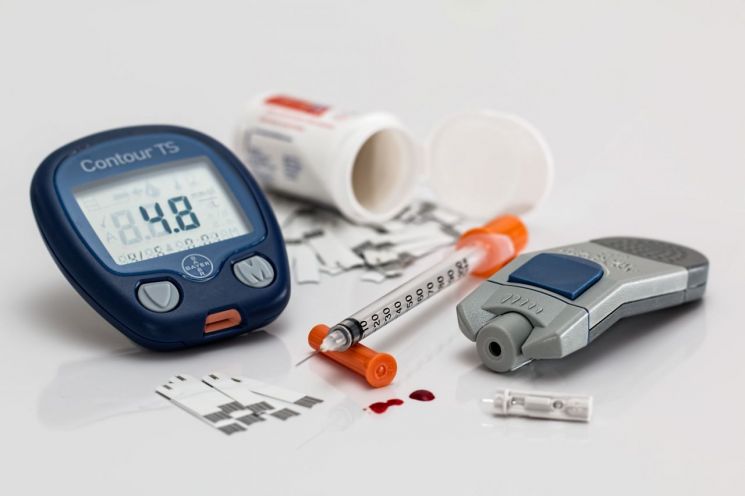 Medical experts have warned that if hair on the legs or toes noticeably falls out more than before, it could be an early sign of diabetes.
In fact, a study published in an international journal in 2019 found that a significant number of patients with diabetic neuropathy experienced localized hair loss in the lower body. At the time, the researchers assessed this phenomenon as a "visual indicator" for gauging the degree of nerve damage.
Experts advise that because such changes are not subjective like sensory abnormalities but can be directly observed, if you notice less hair on your legs or feet than before, you should visit a hospital to check your blood sugar and vascular health. They especially emphasize that if you have had diabetes for a long time or have a family history of the disease, even small changes should not be overlooked.
Heat Waves Pose Particular Danger to Diabetes Patients
In particular, the ongoing heat waves are a serious risk factor for people with diabetes. This is because issues such as electrolyte imbalance due to dehydration, unstable blood pressure and blood sugar, and hypoglycemia can occur simultaneously. Especially in cases of high blood sugar, rapid fluid loss can worsen dehydration and increase vulnerability to external environments.
Experts warn that people with diabetes should never walk barefoot during the summer. Because sensation in the feet may be dulled, injuries can go unnoticed and untreated, potentially leading to infection, necrosis, or, in severe cases, amputation. They stress the importance of promptly checking and addressing even minor wounds.
The prevalence of diabetes in Korea is on the rise as the economy develops and lifestyles become more westernized. According to the "2024 Diabetes Fact Sheet" from the Korean Diabetes Association, as of 2022, there were 5.33 million adults aged 30 and over with diabetes in Korea, meaning about 1 in 7 people in this age group are affected.
© The Asia Business Daily(www.asiae.co.kr). All rights reserved.
![Clutching a Stolen Dior Bag, Saying "I Hate Being Poor but Real"... The Grotesque Con of a "Human Knockoff" [Slate]](https://cwcontent.asiae.co.kr/asiaresize/183/2026021902243444107_1771435474.jpg)

















