Food Poisoning Cases Concentrated from July to September
Wash Hands with Soap for at Least 30 Seconds After Handling Eggs
Check if Meat and Other Ingredients Are Fully Cooked Before Eating
As the risk of Salmonella food poisoning increases during the summer season, the Ministry of Food and Drug Safety has urged the public to strictly adhere to guidelines for the handling and storage of ingredients such as eggs, as well as food poisoning prevention measures.
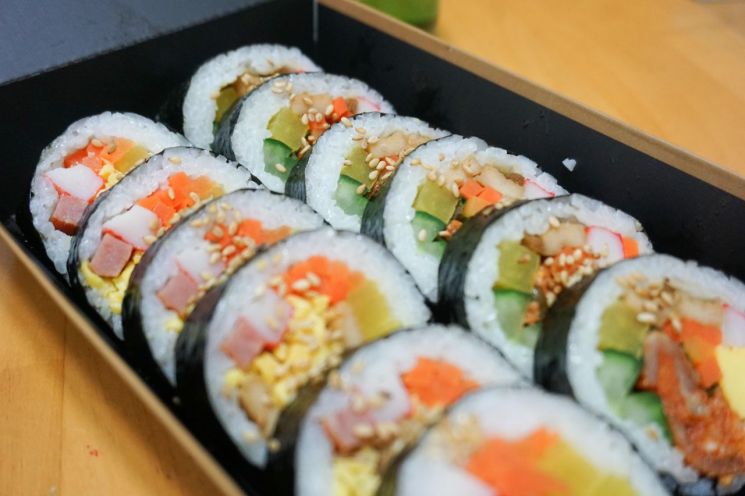 Complex prepared foods such as gimbap accounted for a high proportion of the main food sources of food poisoning during the summer season. Photo by Pixabay
According to the Ministry of Food and Drug Safety on July 11, there were a total of 204 cases of food poisoning caused by Salmonella over the past five years (2020?2024), with 7,788 patients reported. The number of cases was concentrated in the summer months, with about 52% (107 cases, 4,542 patients) occurring between July and September.
Restaurants accounted for 129 cases, or 63%, of the locations where Salmonella food poisoning occurred. This was followed by group catering facilities with 35 cases (17%), and ready-to-eat food manufacturing and processing businesses with 10 cases (5%).
Egg-based dishes such as rolled omelets and egg garnish, as well as complex prepared foods like gimbap and lunch boxes, accounted for a high proportion of the main food sources of food poisoning.
Salmonella is a pathogenic bacterium found in the digestive tracts of poultry and mammals, as well as in water and soil. Consuming food contaminated with Salmonella can cause symptoms such as fever, abdominal pain, vomiting, and diarrhea. Therefore, special care is needed when handling and storing ingredients such as eggs and processed egg products.
When purchasing eggs, choose fresh eggs with unbroken shells and carefully check the laying date and expiration date indicated on the packaging.
Store purchased eggs in the refrigerator immediately, keeping them separate from other ingredients. In particular, at restaurants and group catering facilities, avoid leaving large quantities of eggs at room temperature for extended periods. Purchase only the necessary amount and consume them within a short period (2?4 weeks) while maintaining the appropriate storage temperature.
When cooking, if you touch eggs, meat, poultry, or egg liquid, be sure to wash your hands thoroughly with soap or other cleaning agents under running water for at least 30 seconds. Also, to prevent cross-contamination, avoid touching other ingredients, cooked food, or cooking utensils.
Salmonella is sensitive to heat and can be sufficiently prevented through proper cooking. Do not consume meat, poultry, or eggs raw; instead, cook them thoroughly at a core temperature of 75°C or higher for at least one minute. For eggs, it is best to cook them until both the yolk and the white are fully set.
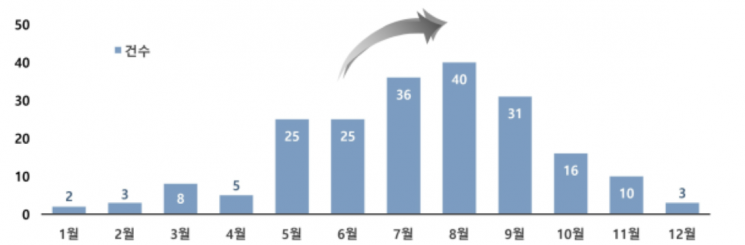 Monthly Salmonella Food Poisoning Incidence Status from 2020 to 2024. Ministry of Food and Drug Safety
Cooking utensils such as knives and cutting boards should be cleaned and disinfected by boiling or using disinfectants for utensils, and should be used separately according to ingredient type, such as for vegetables, meat, or fish. When mixing egg liquid, regularly clean and disinfect the containers, and when preparing dishes like gimbap that use various ingredients, it is advisable to frequently change sanitary gloves.
In addition, at restaurants and group catering facilities, food handlers who show suspected symptoms of food poisoning such as vomiting, diarrhea, or abdominal pain should not participate in food preparation, and even after symptoms have subsided, they should be excluded from food preparation for an additional 2?3 days.
Cooked food should be consumed as soon as possible (within 2 hours). If not eaten immediately, it should be refrigerated, and food stored in the refrigerator should be reheated thoroughly before consumption.
The Ministry of Food and Drug Safety stated, "When purchasing and consuming food prepared at restaurants and similar establishments, consumers should check whether ingredients such as meat, poultry, and eggs are fully cooked," and added, "When engaging in outdoor activities, food should be stored and transported at 10°C or below using cold storage bags or ice boxes."
© The Asia Business Daily(www.asiae.co.kr). All rights reserved.


















