On July 8, Gyeonggi Provincial Government issued its second malaria alert for Goyang and Yeoncheon, following an earlier alert for Paju.
A malaria alert is issued to prevent community outbreaks when either the first cluster case occurs after a nationwide malaria advisory, or when the daily average number of vector mosquitoes exceeds 5.0 for two consecutive weeks in the same city, county, or district.
This latest alert was issued in response to the first cluster cases of malaria reported in Goyang and Yeoncheon following the malaria advisory.
A cluster case is defined as two or more patients in a malaria risk area who develop symptoms within 14 days of each other and whose residences are within 1 kilometer of each other.
The Gyeonggi Provincial Government plans to conduct an in-depth epidemiological investigation to identify the probable infection sites of cluster case patients, the mosquito habitats in those areas, residential inspections, common exposures, and risk factors.
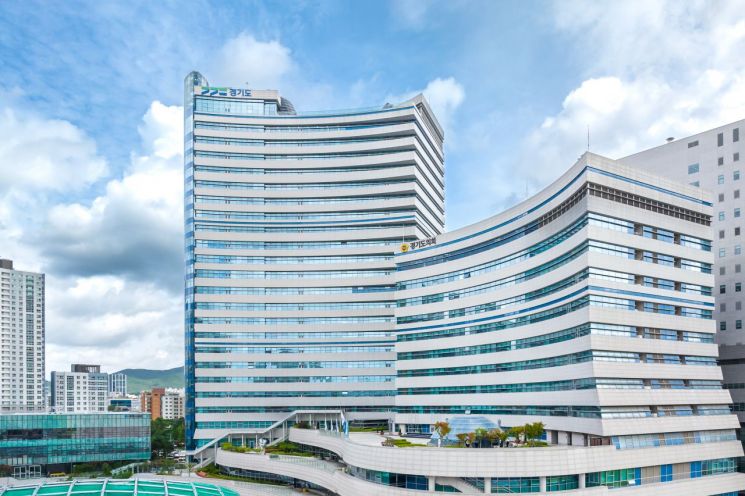
In Goyang and Yeoncheon, the authorities have implemented intensive public awareness campaigns through local medical and pharmaceutical associations, and are providing safety alerts and media notifications to inform residents and visitors of the risk of infection.
Additional measures in response to the alert include targeted vector mosquito control around patients and breeding sites, rapid diagnostic testing for early detection, and provision of preventive medication.
Yoo Youngcheol, Director of Health and Wellness at the Gyeonggi Provincial Government, stated, "In malaria risk areas, it is important to strengthen vector mosquito control and to follow preventive guidelines to avoid mosquito bites." He further urged, "Residents or visitors to risk areas who develop suspected malaria symptoms should promptly seek testing at a nearby public health center or medical facility."
As of July 7, a total of 232 domestic malaria cases have been reported this year, according to provisional infectious disease statistics from the Korea Disease Control and Prevention Agency. Of these, Gyeonggi Province accounts for 135 cases, representing approximately 58% of the national total.
© The Asia Business Daily(www.asiae.co.kr). All rights reserved.

















