Operating Profit Halved from Last Year
Home Appliances, Vehicle Components, and HVAC Perform Well, TV Business Struggles
Focus on "Qualitative Growth" in the Second Half
Strengthening Competitiveness in B2B, Subscription, and webOS
LG Electronics reported weaker results in the second quarter of this year compared to both the same period last year and the previous quarter, due to unfavorable business conditions such as tariff and logistics cost burdens.
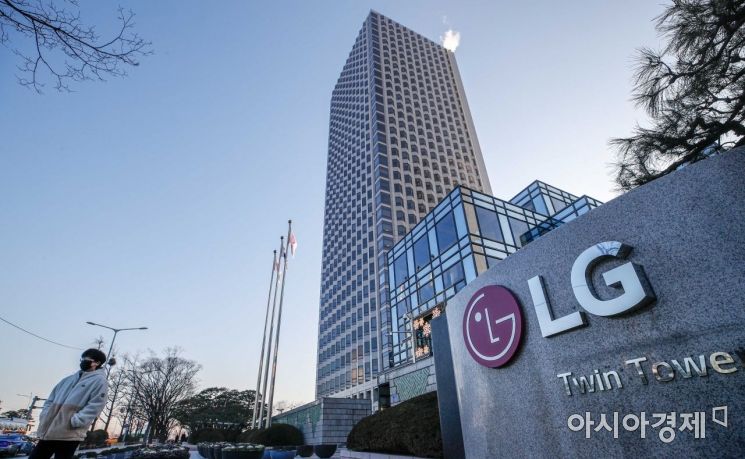
On July 7, LG Electronics announced in a regulatory filing that its consolidated operating profit for the second quarter of this year was provisionally tallied at 639.1 billion won, a decrease of 46.6% compared to the same period last year.
Operating profit also fell by 49.2% from the previous quarter. This figure was 15.2% lower than the market consensus of 753.3 billion won. Revenue came in at 20.74 trillion won, down 4.4% year-on-year and 8.8% quarter-on-quarter.
Analysts say the results directly reflect the delayed recovery in consumer sentiment in major markets. In particular, the changes in U.S. trade policy that became more pronounced in the second quarter led to increased tariff costs and intensified market competition, resulting in a persistently unfavorable business environment.
By business segment, the company's mainstay home appliance division, as well as the vehicle component and heating, ventilation, and air conditioning (HVAC) businesses, which drive B2B growth, performed solidly despite the challenging environment. However, the MS Business Division, which handles TV operations, was affected by weakening demand, rising prices of liquid crystal displays (LCDs), and increased marketing expenses due to intensified competition. Additional factors included higher costs from U.S. universal tariffs, steel and aluminum-related tariffs, and logistics expenses.
For the second half of this year, LG Electronics plans to focus on maintaining strong business fundamentals by pursuing "qualitative growth" led by B2B, subscription, non-hardware (Non-HW), and direct-to-consumer (D2C) businesses. The company stated, "B2B is advantageous for expanding solution businesses and building entry barriers based on stable client relationships and low demand and price volatility; non-hardware is favorable for achieving recurring revenue structures and high profitability; and D2C is beneficial for improving profit structures and enhancing brand value."
Despite reduced demand caused by U.S. trade policies and geopolitical risks in the Middle East, the home appliance business continues to maintain premium market dominance with its flagship products and is also achieving results in the "volume zone," which represents the largest area of consumer demand. The subscription business is also steadily growing.
In the second half of the year, as logistics cost pressures are expected to ease somewhat, the company will focus on operations aimed at securing revenue and minimizing the impact of tariffs to maintain a sound profit structure. The media and entertainment business, which includes TVs, was affected by price reductions to address stagnant demand and increased marketing expenses.
In the second half, LG Electronics aims to further solidify its OLED TV leadership with the launch of new wireless products, while also enhancing the competitiveness of its smart TV platform webOS through the expansion of new content such as gaming and art. The vehicle component business continues to grow based on a stable order backlog, even amid challenges such as sluggish demand for electric vehicles. Sales increased in the second quarter, and operating profit also grew year-on-year due to improved operational efficiency.
In the second half, the company will expand sales of premium products centered on automotive infotainment, diversify its business model through automotive content platforms, and secure both revenue and profitability.
The HVAC business is accelerating efforts to capture business opportunities in areas such as commercial air conditioning systems and industrial/power generation chillers, including AI data centers. LG Electronics will complete the acquisition of OSO, a European hot water solutions company with which it recently signed a contract, and will actively target the rapidly growing European air-to-water heat pump (AWHP) market.
On July 25, LG Electronics will announce its finalized second-quarter results, including consolidated net profit and performance by business division.
© The Asia Business Daily(www.asiae.co.kr). All rights reserved.
![Clutching a Stolen Dior Bag, Saying "I Hate Being Poor but Real"... The Grotesque Con of a "Human Knockoff" [Slate]](https://cwcontent.asiae.co.kr/asiaresize/183/2026021902243444107_1771435474.jpg)
















