Court Rules Compensation for Emotional Distress Is Necessary Even Without Health Problems
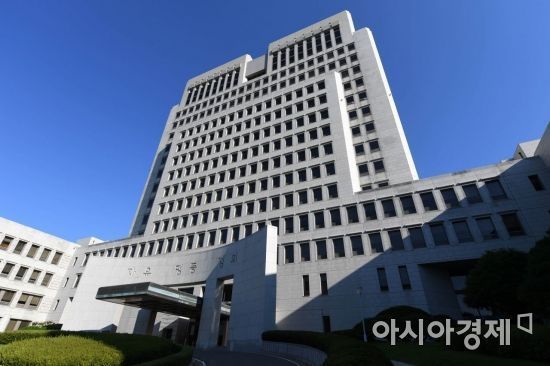
The Supreme Court has ruled that Daijin Bed, a mattress manufacturer whose products were found to contain the carcinogen radon, must pay compensation for emotional distress to consumers who filed a lawsuit for damages. This is the Supreme Court's first decision stating that compensation for emotional distress should be awarded if it is determined that consumers suffered psychological harm, even if no health problems actually occurred from using the product.
On July 3, the Supreme Court's First Division (Presiding Justice Noh Taeak) upheld the lower court's ruling, which partially sided with the plaintiffs in a damages lawsuit filed by Lee and approximately 130 other consumers against Daijin Bed. The court ordered Daijin Bed to pay 1 million won in compensation to each purchaser, but rejected claims for compensation filed by family members of the purchasers who also used the mattresses.
The plaintiffs argued that using the anion mattresses manufactured by Daijin Bed between 2006 and 2015 increased the risk of developing thyroid disorders, leukemia, cancer, and other illnesses, and filed a lawsuit for damages.
The "Radon Mattress Incident" refers to the case in May 2018, when large amounts of radon were detected in mattresses sold by Daijin Bed, a small- and medium-sized domestic mattress manufacturer. Radon is classified as a Group 1 carcinogen by the International Agency for Research on Cancer (IARC) of the World Health Organization (WHO), and is known as a major cause of lung cancer through inhalation.
At the time, the Nuclear Safety and Security Commission announced that, after inspecting one Daijin Bed mattress, the annual external radiation exposure dose was measured at 0.06 millisieverts, which did not reach the safety standard for processed products (1 millisievert) set by the Act on Safety Control of Radioactive Rays Around Living Environments.
However, in a second investigation, annual exposure doses for seven types of Daijin Bed mattresses were found to range from 1.59 to 9.35 millisieverts, prompting administrative measures such as product recalls. Subsequently, radon exceeding the safety standard was also detected in products sold by other companies, causing the controversy to spread further.
The court of first instance stated, "It is difficult to recognize that Daijin Bed was aware that exposure from the mattresses could be harmful to human health or that there was negligence in failing to recognize this," and thus rejected the consumers' claims for damages.
However, the appellate court found that Daijin Bed's manufacture and sale of mattresses lacking in safety was unlawful, and ruled that compensation should be paid for emotional distress caused by unjust exposure, even if no specific health abnormalities had appeared as a result of using the mattresses.
The Supreme Court agreed with the appellate court's decision. The Supreme Court held that, even if no actual disease developed, compensation for emotional distress can be recognized if, based on societal norms, it can be assessed that the victim suffered psychological harm.
The court stated, "There was no reason to use monazite in mattress production, yet Daijin Bed manufactured mattresses using monazite without any consideration of its risks, and promoted vague health benefits of anions while selling these products to consumers. Consumers were exposed to radiation exceeding safety standards against their will for an extended period, without any warning about the possibility of radiation exposure, and it is clear, based on common experience, that they would have suffered psychological distress as a result."
© The Asia Business Daily(www.asiae.co.kr). All rights reserved.

















