Business Community: "Public Enterprises Also Considering Countermeasures"
Concerns Grow Over Lawsuits on Lax Management
Government Is the Largest Shareholder Due to Shareholding Structure
Analysis Suggests Possible Shift in Court Rulings
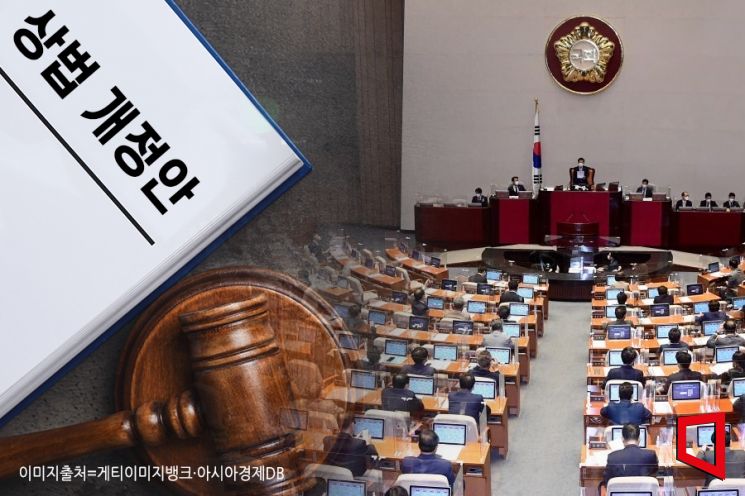
According to the business community on July 2, as the government and the ruling party have begun to accelerate the handling of the Commercial Act amendment, public enterprises are reportedly analyzing the potential impact and considering countermeasures. In particular, they believe that the recent poor management conditions and increased public utility rates have heightened shareholder discontent, which could manifest as lawsuits after the amendment is enacted. Currently, Korea Electric Power Corporation (KEPCO) has accumulated debts of around 200 trillion won, and its operating losses have risen to 30.9 trillion won over the past four years since 2021. Korea Gas Corporation is also reported to have accumulated unpaid receivables amounting to 14.1 trillion won.
Given the shareholding structure of public enterprises, it appears that in most cases, the government will be the primary target of shareholder lawsuits. As of the first quarter of this year, according to the shareholding status of public enterprises listed on the stock market, the government is the largest shareholder of Korea Electric Power Corporation (18.2%), Korea Gas Corporation (26.15%), and Korea District Heating Corporation (34.55%), among others. Typically, the government, as the largest shareholder, also serves as a director who can make decisions on management issues of public enterprises. If the Commercial Act is amended, the government will also be obliged by law to faithfully fulfill its responsibilities regarding shareholders' interests and will likely have to endure related lawsuits.
In previous similar lawsuits, courts have strictly determined the causal relationship between the government's administrative guidelines and the mismanagement of public enterprises, often ruling that the government was not liable for damages to shareholders. In August 2011, minority shareholders of KEPCO filed a lawsuit demanding 140 billion won in compensation from the government and others, claiming that KEPCO's increase in electricity rates to a level below total cost resulted in stock price declines and unpaid dividends, causing damages of about 7.2 trillion won. Both the courts of first and second instance, as well as the Supreme Court, ruled against the shareholders. However, legal experts now suggest that this precedent may change after the amendment to the Commercial Act.
© The Asia Business Daily(www.asiae.co.kr). All rights reserved.

















