EU and US Trade Chiefs to Meet on July 3
"No Tariffs Should Be Imposed During Detailed Negotiations"
On July 1 (local time), Politico Europe reported that the European Union (EU) is demanding that the United States immediately exempt certain sectors from tariffs as soon as a comprehensive trade agreement is reached.
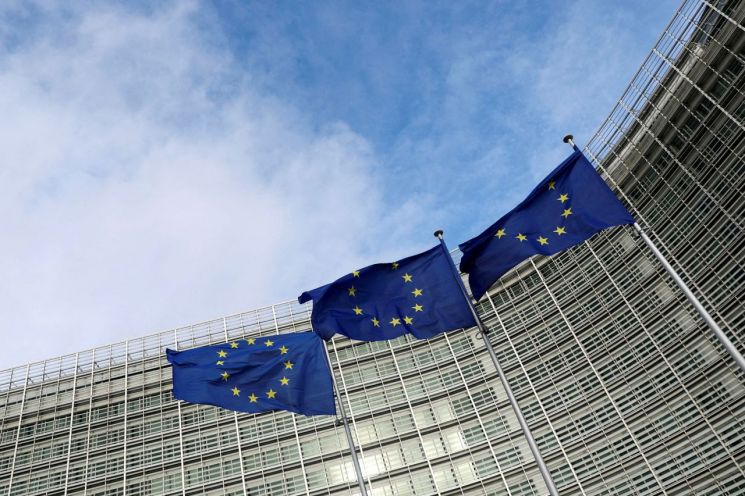
Several EU member states have informed the European Commission, the executive branch, that no form of agreement will be acceptable unless such measures are included. While the Commission holds full authority over trade policy for the 27 member states, it is customary to incorporate member states' opinions during external negotiations. The demands from the member states are similar to the agreement between the United Kingdom and the United States, which maintained a 10% base tariff but included tariff reductions or exemptions on automobiles and steel from the moment a comprehensive agreement was signed.
The British daily Financial Times (FT) also reported that, during a closed-door meeting held the previous day, EU member state ambassadors urged Maros Sefcovic, the EU Commissioner for Trade and Economic Security, who will soon visit the United States, to take a tougher stance. In response, Commissioner Sefcovic is expected to convey to the U.S. side that while he still hopes for a reduction of the 10% base tariff, he could accept maintaining the 10% tariff if certain conditions are met.
Commissioner Maros Sefcovic is scheduled to meet with U.S. Secretary of Commerce Howard Lutnick and U.S. Trade Representative (USTR) Jamison Greer in the United States on July 3. This meeting will effectively be the last face-to-face negotiation before the de facto deadline for the talks, with both sides planning to focus on the two-page "principle agreement" proposed by the U.S. If an agreement is not reached by the deadline of July 9, the U.S. tariff rate on EU goods could rise to 50%. Within the EU, there is a prevailing view that the likelihood of the negotiations collapsing before the deadline is not high.
Meanwhile, there are also criticisms that ongoing differences among EU member states since negotiations began in earnest in April have weakened the Commission's bargaining power. In particular, there are significant differences over the retaliatory measures the EU is preparing. For example, Germany is in favor of reaching a swift agreement even if it is "insufficient," whereas France insists that unbalanced terms, such as maintaining the 10% base tariff, should not be accepted. Ted Murphy, an international trade attorney at the U.S. law firm Sidley Austin, pointed out, "The EU seems to be approaching this as a (typical) trade negotiation, which is a fatal mistake," adding, "From the U.S. perspective, it will look like they are negotiating the terms of surrender."
© The Asia Business Daily(www.asiae.co.kr). All rights reserved.

















