"Jeonse Supply Shrinking, Demand Rising"
"More People Switching to Wolse, Wolse Prices Expected to Rise"
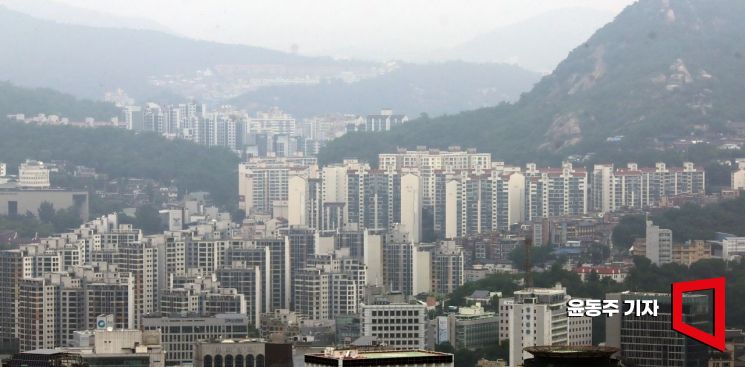
"There were already very few jeonse listings available. With tighter loan regulations reducing gap investments and decreasing jeonse supply, I expect wolse prices to rise." (Representative A, a real estate agent in Sinsu-dong, Mapo-gu)
"Things are quiet now, but demand for wolse listings will increase. The popularity of Seongdong-gu remains strong, but it's obvious that jeonse supply will decline." (Representative B, a real estate agent in Haengdang-dong, Seongdong-gu)
The impact of financial authorities' loan regulations is now spreading to the rental market. Since June 27, gap investments (buying a property with a jeonse tenant in place) have been effectively banned, leading to expectations that jeonse listings will decrease and jeonse prices will rise. For those with weaker financial resources, it has become inevitable to switch to the wolse market, as they cannot afford the increased costs. However, as more demand concentrates in the wolse market, wolse prices could rise significantly, increasing housing uncertainty for ordinary people.
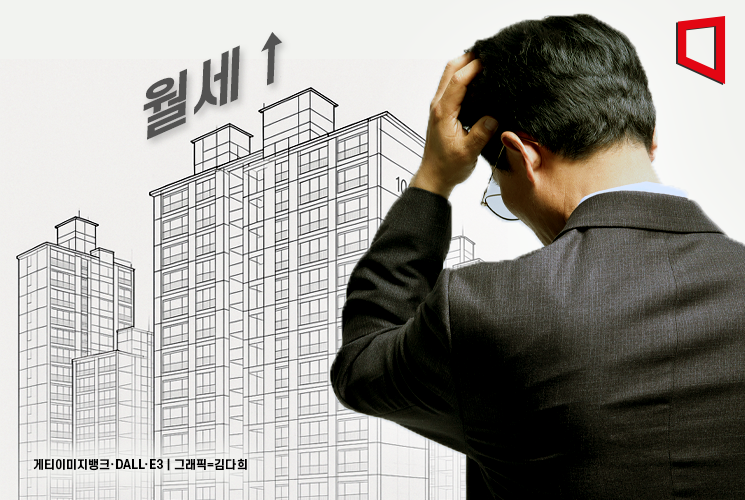
"Jeonse supply is shrinking, but demand is rising"
According to major real estate agencies in Seoul on July 1, the new financial regulations implemented last month are expected to push up both jeonse and wolse prices. When taking out a mortgage, buyers are now required to move in within six months, which means they must live in the property themselves. As a result, it is no longer possible to purchase a property with a jeonse tenant or to rent out a property on jeonse after buying it. This has eliminated jeonse listings that previously came onto the market through gap investments.
In the Seoul metropolitan area and regulated zones, "jeonse loans on condition of ownership transfer" have also been banned. This type of loan allows banks to lend jeonse funds to tenants on the condition that the property changes ownership. It is typically used when the owner of a newly built apartment pays the final balance using the tenant's jeonse deposit. Now, gap investments?where buyers with limited funds purchase a property using the tenant's deposit?are effectively prohibited.
In particular, due to the shortage of apartment supply in Seoul, the availability of jeonse listings is already limited. The number of new apartment units scheduled for occupancy in Seoul in the second half of this year is 14,043, down 20% from the first half. Next year, this figure is expected to decrease by about 74% compared to this year.
With the sharp drop in jeonse listings that previously resulted from gap investments, tenants now face even fewer opportunities to purchase their own homes. Authorities have also capped the maximum mortgage amount for home purchases in the Seoul metropolitan area and regulated zones at 600 million won, effectively blocking tenants' opportunities to buy homes.
"More people switching to wolse, wolse prices likely to rise"
The decrease in jeonse listings and the increase in demand are driving more people to switch to wolse. As jeonse prices rise and tenants can no longer afford the higher deposits, they are forced into the wolse market. The surge in wolse demand then leads to a vicious cycle of rising wolse prices. This will have a direct impact on people in their 20s and 30s who have limited access to cash.
Kwon Youngsun, team leader at Shinhan Bank's Real Estate Investment Advisory Center, explained, "When loans for home purchases are restricted, people are more likely to remain in the rental market. As jeonse prices rise, people move to wolse, but staying in the rental market inevitably means higher costs."
In Seoul, especially in areas like Mayongseong (Mapo-gu, Yongsan-gu, Seongdong-gu), which have recently shown signs of overheating, as well as in school districts and other high-demand areas, these trends are expected to be particularly pronounced. Yoon Sumin, a real estate specialist at NH Nonghyup Bank, said, "In areas close to workplaces or in school districts, there are often no alternatives, so people have no choice but to accept higher costs and sign contracts. This increases the likelihood of transactions at higher prices due to the lack of other options."
Kim Hyosun, chief real estate specialist at NH Nonghyup Bank, commented, "The recent signs of overheating in the Seoul real estate market were ultimately due to uncertainty over supply, which led people to rush to buy homes. Policies are needed to resolve the supply shortage and quickly reassure buyers, focusing on supply measures that can provide immediate effects and peace of mind to those seeking homes."
© The Asia Business Daily(www.asiae.co.kr). All rights reserved.
![Clutching a Stolen Dior Bag, Saying "I Hate Being Poor but Real"... The Grotesque Con of a "Human Knockoff" [Slate]](https://cwcontent.asiae.co.kr/asiaresize/183/2026021902243444107_1771435474.jpg)

















