Fleet Modernization by 2030: Three More Aircraft to Be Added in the Second Half
Enhanced Pilot Emergency Response and Strengthened Operational Safety
Jeju Air is strengthening its safety operation system by continuously purchasing and introducing B737-8 aircraft.
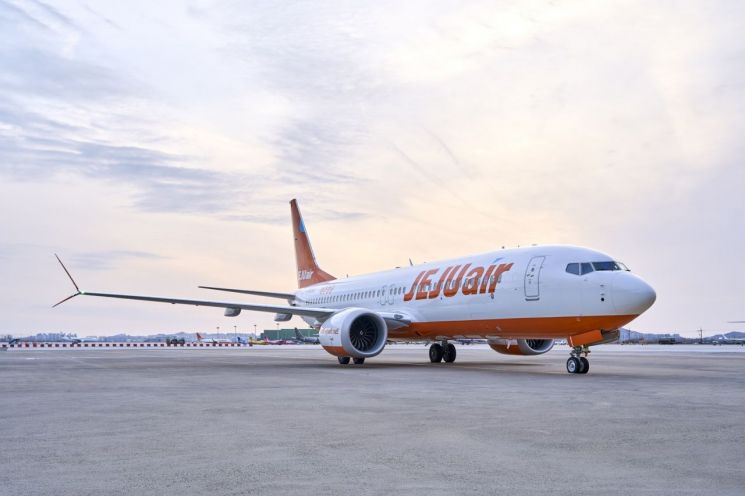
On the 29th, Jeju Air announced that it had completed the introduction of its fifth next-generation B737-8 aircraft the previous day. The company began by introducing two aircraft in 2023, and added one each in January and May of this year.
As a result, Jeju Air's total fleet has increased to 43 aircraft (41 passenger planes and 2 cargo planes). Of these, 10 are owned aircraft, including five B737-800NGs and five B737-8s. The average age of Jeju Air's passenger aircraft has decreased from 14 years at the end of last year to 13.5 years.
Jeju Air plans to continue its fleet modernization project without delay, aiming to lower the average fleet age to under five years by 2030. As part of this, the company will sequentially purchase and introduce three more aircraft of the same model in the second half of the year.
In addition, Jeju Air is focusing on improving pilots' emergency response capabilities. In March, the company signed a memorandum of understanding with Boeing to introduce a competency-based training and evaluation system for pilots. In April, Jeju Air publicly recruited both entry-level and experienced maintenance engineers to secure skilled personnel and strengthen operational safety. The company is also continuing to train new maintenance engineers.
A Jeju Air representative stated, "We are working to establish a foundation for sustainable growth by improving our operations with next-generation aircraft, securing cost competitiveness, and strengthening operational safety," adding, "We will continue to build a reliable safety operation system that customers can trust by further enhancing operational safety."
© The Asia Business Daily(www.asiae.co.kr). All rights reserved.

















