Dutch Hospital Recklessly Distributes Donated Sperm
Donor Says, "This Is Playing With Life... Absolutely Unacceptable"
On June 29, Yonhap News cited a report from the Sunday edition of the British daily The Times, published on June 28 (local time), detailing the case of sperm donor Nico Kwiat, 63.
Kwiat, who was single at the time, donated sperm dozens of times at infertility clinics in the Netherlands between 1998 and 2000. The number of donations reached approximately 50. As a devout Christian, he participated in sperm donation to contribute to life, motivated by a desire to support scientific research or embryo donation.
However, about ten years later, in 2004, Kwiat received shocking news from the hospital. He was informed that more than 30 biological children had already been born from his sperm.
This violated the Netherlands' regulation limiting the number of children per donor to a maximum of 25. At the time, it was revealed that hospitals had distributed Kwiat's sperm indiscriminately both domestically and internationally without his consent, which sparked significant controversy.
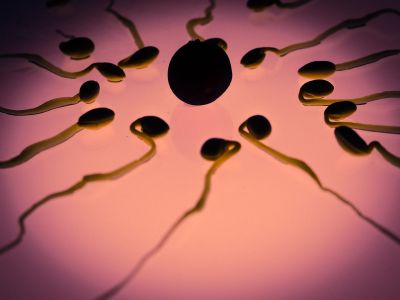
Investigations found that Kwiat has a total of 50 biological children: 25 in the Netherlands and 25 in various European countries. Speaking to the media, Kwiat expressed his disappointment, stating, "This is playing with life, and it is absolutely unacceptable."
Following the Kwiat case, the Dutch government conducted a comprehensive investigation into the negligence of hospitals involved in sperm donation. During this process, it was discovered that there were 85 donors, like Kwiat, who had fathered dozens of children. One individual was found to have more than 100 children.
Countries impose limits on the number of children born from a single donor to prevent incestuous relationships among half-siblings, as well as to reduce the risk of hereditary diseases and their occurrence. In the Netherlands, with a population of 18 million, the issue of 'excess children' from such donors is considered not just a medical error but a broader social problem.
Experts have pointed out that "biologically similar individuals are more likely to share similar interests and talents, making it easier for them to become close in the same schools or clubs." They warned that "the risk of incest resulting from this is more serious than we might think."
Meanwhile, Kwiat revealed that even after his retirement, he continues to receive weekly contact from new biological children. According to the sperm donation agreement at the time, children are allowed to contact the donor once they turn 15. Recently, he was contacted by a 19-year-old young man from Italy who had been searching for him. Kwiat said he communicates with him using Google Translate, adding, "Since we speak different languages, it creates a kind of Tower of Babel situation."
© The Asia Business Daily(www.asiae.co.kr). All rights reserved.

















