Court Rules "Serious Misconduct Justifies Dismissal"
Dismissal Upheld, But Disciplinary Surcharge Revoked
An official from Ganghwa County in Incheon, who worked as the head of the building permit department and received entertainment from construction companies and others on 17 occasions, was dismissed by the city of Incheon and filed an administrative lawsuit, but lost the case.
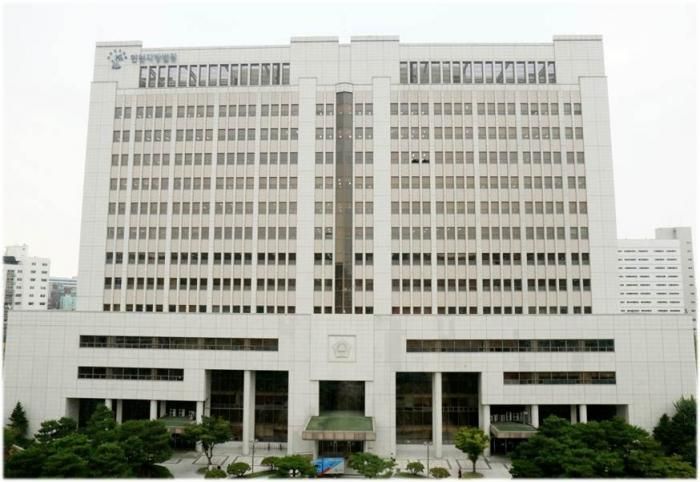
On June 29, Yonhap News reported that the Administrative Division 1-2 of the Incheon District Court (Presiding Judge Kim Wonmok) ruled against the plaintiff in a lawsuit filed by former Ganghwa County official A against the Ganghwa County Governor, seeking to overturn the dismissal.
From January to December 2018, A served as the head or director of several departments in Ganghwa County. He was previously indicted on charges of receiving meals, alcohol, and entertainment worth approximately 8.5 million won on 17 occasions from individuals related to his official duties. In September 2023, he was sentenced to one year in prison, suspended for two years, a fine of 18 million won, and an additional forfeiture of approximately 8.5 million won.
In August 2024, the Incheon City Personnel Committee determined that A had violated the duty of diligence and the duty of integrity under the Local Public Officials Act, and imposed dismissal along with a disciplinary surcharge of approximately 42 million won, which is five times the amount of entertainment received.
However, A argued, "I only had a few meals and drinks with people I knew to maintain personal relationships, but I never received or fulfilled any requests, so I did not accept any entertainment in exchange for favors." He filed an administrative lawsuit in February.
A's attorney claimed, "Although A did receive entertainment worth more than 1 million won, he did not receive any requests or engage in any illegal or improper acts. He has never been disciplined before this case, so the reduction of his severance pay due to dismissal and the imposition of a surcharge five times the amount received result in excessive financial loss."
The court viewed the dismissal of A as a public interest measure to establish discipline among public officials and to address corruption in public service. However, the court determined that the disciplinary surcharge did not take into account the fines and forfeiture already imposed in the criminal case.
The court ordered, "The dismissal in this case is lawful, but the imposition of the disciplinary surcharge constitutes an abuse of discretion and is therefore unlawful and must be revoked."
© The Asia Business Daily(www.asiae.co.kr). All rights reserved.
![Clutching a Stolen Dior Bag, Saying "I Hate Being Poor but Real"... The Grotesque Con of a "Human Knockoff" [Slate]](https://cwcontent.asiae.co.kr/asiaresize/183/2026021902243444107_1771435474.jpg)
















