Number of Same-Sex Married Couples in the U.S. Doubles Since 2015 Supreme Court Ruling
From 390,000 to Over 820,000 Couples
Since the U.S. Supreme Court legalized same-sex marriage in June 2015, the number of married same-sex couples in the United States has doubled over the past decade.
On June 26 (local time), The Washington Post (WP), citing reports from Gallup, Pew Research Center, and the Williams Institute, a public policy research organization focused on LGBTQ issues, reported that the number of same-sex married couples has surged from about 390,000 in 2014, before the Supreme Court ruling, to between 820,000 and 930,000 today.
This increase has been particularly pronounced in Southern states, which are known for their conservative political and cultural climate. According to the Williams Institute, 59% of same-sex couples in the South are now married, a 21 percentage point increase from 38% a decade ago.
In Texas and Georgia, the number of married same-sex couples has more than tripled. Additionally, the number of children under the age of 18 living in households headed by married same-sex couples has risen from 71,000 in 2013 to 299,000 today.
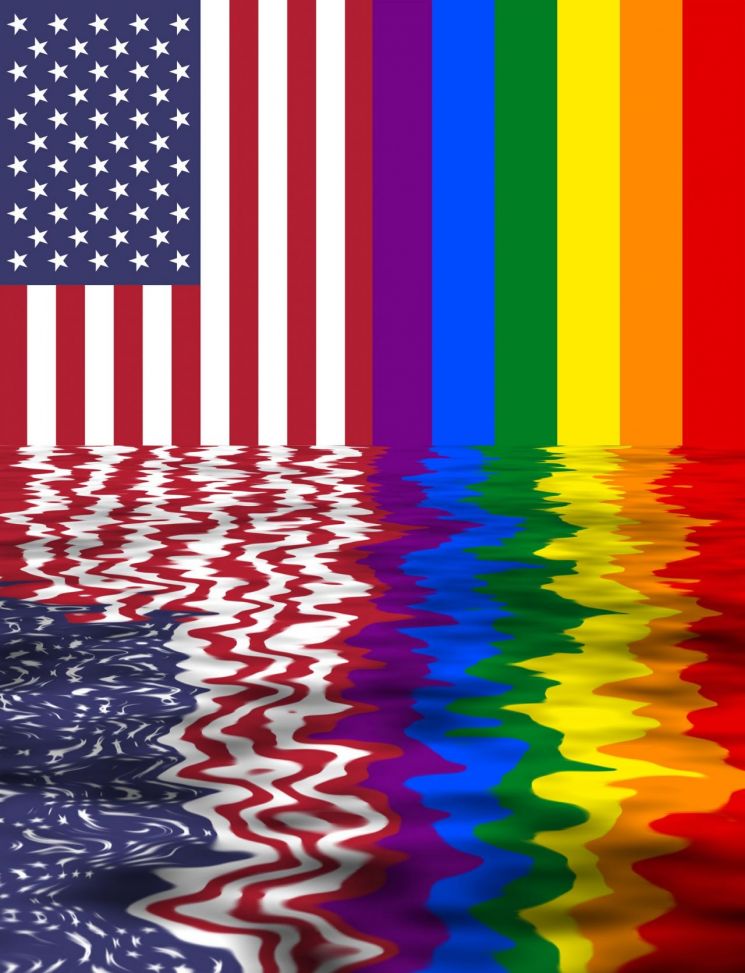
In 2015, the U.S. Supreme Court ruled that state-level bans on same-sex marriage were unconstitutional. Public opinion has also shifted since the legalization of same-sex marriage. According to Gallup, nearly 70% of Americans today believe that gay people should also have the right to marry, a significant increase from 27% thirty years ago.
However, WP pointed out that efforts to overturn the legalization decision from ten years ago have intensified this year. Conservative Supreme Court Justices Samuel Alito and Clarence Thomas have expressed that the 2015 decision should be reconsidered, and resolutions calling for the reversal of the ruling have been introduced in the lower houses of nine states, including Idaho and Michigan.
Currently, 32 state laws?including those in Alabama, Texas, and Nebraska?still contain provisions banning same-sex marriage. If the Supreme Court ruling were to be overturned, these state laws would automatically take effect.
According to last month's Gallup poll, support for same-sex marriage among Republican supporters has dropped to 41%, down from 55% three years ago. The Williams Institute notes that more than half of all same-sex couples still reside in states where marriage is banned, meaning they would be placed in a vulnerable position if the Supreme Court ruling were reversed.
© The Asia Business Daily(www.asiae.co.kr). All rights reserved.

















