Practical Improvements Including the "Family Pass" for Ttareungi and Mobility Rights for People with Disabilities
On June 27, Seoul Facilities Corporation announced that it will actively work to abolish a total of 60 regulations, which have been identified to address inconveniences in citizens' daily lives and on-site operations, in line with the policy direction of the Seoul Metropolitan Government.
Since the beginning of the year, the corporation has held two company-wide idea generation meetings, prioritizing the removal of regulations that directly impact citizens' everyday lives. Through these meetings, the corporation has established "regulatory abolition closely tied to daily life" as its top priority and has developed practical, field-oriented improvement plans.
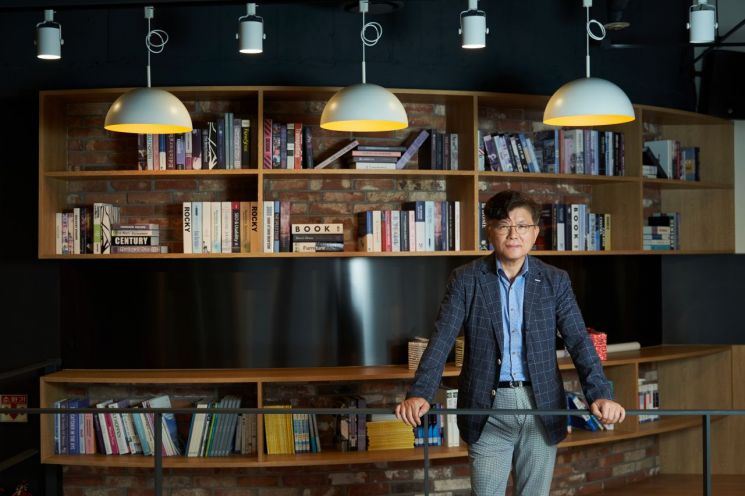
Building on its recent years of experience in actively discovering and promoting projects that enhance the city's appeal and foster companionship?efforts that have received high praise from citizens?the corporation is focusing on regulatory abolition this year.
Representative examples of regulatory abolition being pursued by the corporation include: ▲ the introduction of a "family pass" for the public bicycle Ttareungi and the establishment of new rental stations in Hangang Park; ▲ expansion of permission for individuals with mental disabilities to ride alone; ▲ standardization of application forms for the Seoul Global Center international conference hall; and ▲ enhanced reservation convenience for auxiliary facilities at Seoul World Cup Stadium.
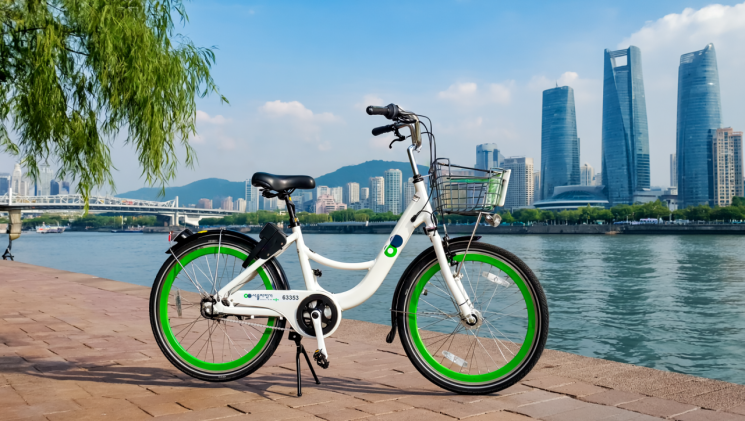
The Ttareungi system previously restricted use by those under 13 years old. However, with the introduction of the new "family pass," children can now use the service when accompanied by a parent. To resolve the lack of rental stations in Hangang Park, which had created spatial limitations, the corporation plans to establish new stations at seven key locations, including Yeouido, Mangwon, and Jamsil. These stations will undergo pilot operation at the end of July, with official operation scheduled for September. In June, the corporation also launched the "Ttareungtadeos" citizen participation group to further improve convenience for Ttareungi users.
With regard to mobility rights for individuals with mental disabilities, the corporation eased the previous regulation requiring a guardian to accompany the passenger. Since July last year, individuals with mild mental disabilities have been allowed to ride alone upon prior application. From February this year, the prior application process was eliminated, so any eligible individual can now use the call taxi service for people with disabilities without a guardian.
For the Seoul Global Center international conference hall, standardizing the application form has streamlined the approval process and, by linking with the public service reservation site, improved convenience for citizens. For auxiliary facilities at Seoul World Cup Stadium, the reservation period has been unified and the settlement system changed to a monthly basis, improving reservation and refund procedures.
At the Gocheok Dome annex parking lot, an automatic discount system based on license plate recognition has been introduced, allowing users to receive fee benefits without staff assistance. From this month, the system has been expanded to include vehicles for people with disabilities. In addition, to simplify on-site administrative work, the corporation has produced an administrative guidebook to support small-scale construction companies, provided advance guidance on tasks required at each stage of construction, and introduced a digital safety management system.
Korea Young, President of Seoul Facilities Corporation, stated, "This regulatory abolition initiative is more than a simple institutional improvement; it reflects the corporation's commitment to eliminating real inconveniences in citizens' daily lives." He added, "We will continue to pursue administrative innovation that citizens can truly experience."
The corporation plans to fully implement all 60 regulatory improvement tasks within this year and, next year, to establish a citizen proposal-based regulatory improvement system to achieve more effective service innovation.
© The Asia Business Daily(www.asiae.co.kr). All rights reserved.


















