Increased Inspections for Legionella Bacteria
at Multi-Use Facilities and Large Buildings
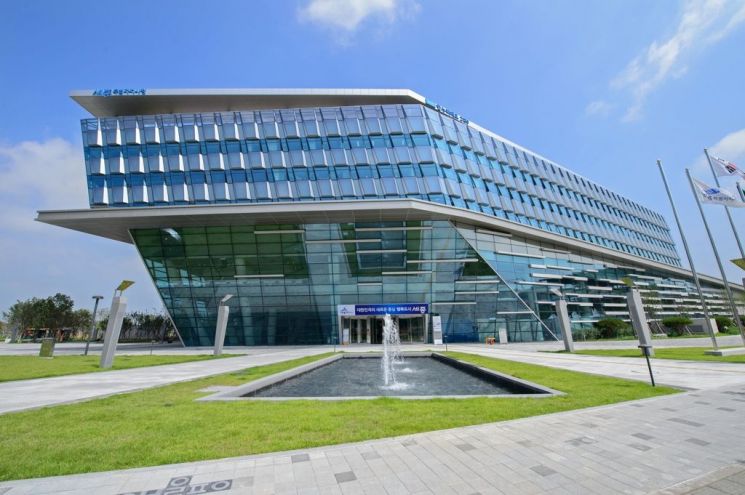
As air conditioner usage increases during the summer, there is a growing need for caution regarding Legionnaires' disease.
According to the Sejong Institute of Health and Environment on June 26, Legionnaires' disease is known to occur when water contaminated with Legionella bacteria, found in air conditioner cooling towers, water supply facilities, and public baths, is inhaled as droplets and enters the respiratory tract, causing infection.
Symptoms can include Legionella pneumonia and Pontiac fever (a flu-like illness). The disease can cause severe symptoms, especially in the elderly and immunocompromised individuals, so extra caution is required. Legionella bacteria thrive in warm water between 25 and 45 degrees Celsius, leading to increased cases from summer through early autumn.
The Institute of Health and Environment recommends controlling the spread of bacteria and maintaining a clean environment by cleaning and disinfecting facilities if Legionella bacteria are detected. In particular, starting at the end of this month, the institute will conduct intensive inspections for Legionella bacteria at 15 multi-use facilities and large buildings.
Bang Eunok, head of the Infectious Disease Research Division, stated, "Facility managers must regularly manage major sources of contamination, including cooling tower water," and added, "Please make efforts to create a safe environment from Legionella bacteria so that children and citizens can enjoy a healthier summer."
© The Asia Business Daily(www.asiae.co.kr). All rights reserved.

















