Procedures Streamlined Through Large-Scale Site Development Policy TF
Additional FAR Incentives for Securing Extra Public Open Space
The Seoul Metropolitan Government is revising its "pre-negotiation system" to expedite development conditions and strengthen public interest. When selecting candidates for pre-negotiation, the city will streamline the procedure and grant additional floor area ratio (FAR) incentives to sites that secure extra public open space beyond the mandatory area.
On June 25, the city announced that, for the selection of pre-negotiation sites for urban planning changes, the process?previously divided into two stages?will be integrated into a single step under the "Large-Scale Site Development Policy Task Force (TF)."
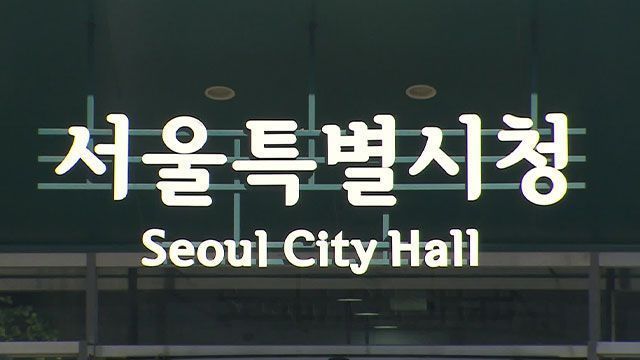
Previously, the selection process for pre-negotiation candidates involved two stages: the Large-Scale Site Development Policy TF and consultation with the Urban Architecture Joint Committee. As a result, even though most development directions were discussed in the first stage by the Large-Scale Site Development Policy TF, additional time was required due to mandatory consultation with the Urban Architecture Joint Committee, as stipulated by ordinance.
With this procedural improvement, the selection period for target sites is expected to be reduced by three months. To implement these changes, the city completed the review of the amendment at the regular session of the Seoul Metropolitan Council and finalized the procedures for revising relevant ordinances and guidelines.
In addition, going forward, pre-negotiation sites that secure extra public open space beyond the required area will be eligible for up to approximately 80% additional FAR incentives. Currently, the city operates three types of "maximum FAR incentives" within the pre-negotiation system to actively promote innovative architectural design and eco-friendly buildings.
The amount of additional FAR incentive will be calculated using the formula specified in the "Operational Standards for Public Open Space Incentives in District Unit Plans." The final decision will be made by the Urban Architecture Joint Committee after discussions in the Negotiation Adjustment Council.
The revised pre-negotiation operation guidelines will take effect immediately, along with the amendments to the "Establishment Standards for Pre-Negotiation Type District Unit Plans" and related ordinances.
Lim Changsoo, Director of Future Space Planning at the Seoul Metropolitan Government, stated, "With this revision, the effectiveness of the pre-negotiation system will be enhanced, and it is expected to become a rational system for mutual growth between the public and private sectors." He added, "Based on a solid institutional foundation, we will develop this into an 'urban planning consultation model' that ensures efficient private development and public interest, thereby boosting the city's competitiveness."
© The Asia Business Daily(www.asiae.co.kr). All rights reserved.

















