The city of Incheon has requested that the government establish criteria for designating Ganghwa-gun and Ongjin-gun?areas with declining populations and the unique characteristics of border regions?as Opportunity Development Zones.
The city announced that, following a previous request in March, it again submitted a proposal to the Ministry of Trade, Industry and Energy and the Presidential Committee for Balanced National Development on June 24, calling for improvements to the Opportunity Development Zone system.
Opportunity Development Zones are areas designated under the Special Act on Decentralization and Balanced Regional Development. These zones target non-capital regions, areas with declining populations, and border regions, and aim to create local jobs and revitalize the economy through regulatory exemptions, as well as tax and financial support.
Zones are designated by the Minister of Trade, Industry and Energy upon application by provincial or metropolitan governors, following deliberation and resolution by the Presidential Committee for Balanced National Development. So far, 14 non-capital cities and provinces have been designated as Opportunity Development Zones. Even in the capital region, border areas or regions with declining populations may apply for designation if they meet the criteria set by the committee.
However, the committee has yet to establish specific criteria regarding eligible areas and maximum application area size. As a result, Ganghwa-gun and Ongjin-gun?underdeveloped border regions?have not even been able to apply for designation.
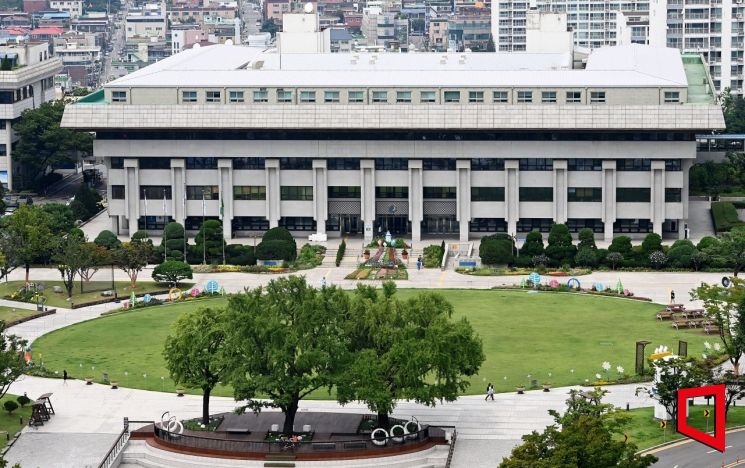
In its latest proposal, the city emphasized that Ganghwa-gun and Ongjin-gun must be designated as Opportunity Development Zones. The city cited several reasons: the regions are severely underdeveloped due to overlapping regulations, including military facility protection zones and the Capital Region Readjustment Planning Act; there is a need for fair compensation for the sacrifices endured by residents of border areas; and, despite being areas with declining populations, they face reverse discrimination simply because they are part of the capital region.
Going forward, the city plans to strengthen cooperation with National Assembly members from the Incheon and Gyeonggi regions, and will continue efforts to persuade relevant ministries, including the Presidential Committee for Balanced National Development, the Ministry of Trade, Industry and Energy, and the Ministry of Agriculture, Food and Rural Affairs.
Meanwhile, the city recently completed a strategic study for the designation of Incheon-style Opportunity Development Zones. Through this study, it identified priority areas for consideration: the southern part of Ganghwa Island (472,000 pyeong) and the Sido area of Ongjin-gun (42,000 pyeong). The city plans to work with the government to develop these areas as centers for green bio and leisure/tourism industries, respectively, and to begin the application process for designation as Opportunity Development Zones in the second half of this year.
An Incheon city official stated, "We recently convened a meeting of the Global City Expert Advisory Group to gather opinions on the effectiveness and industrial attraction potential of the candidate zones. We will thoroughly prepare before submitting the application, and will continue to urge the government to establish criteria for the capital region, which is a prerequisite for designation."
© The Asia Business Daily(www.asiae.co.kr). All rights reserved.
![Clutching a Stolen Dior Bag, Saying "I Hate Being Poor but Real"... The Grotesque Con of a "Human Knockoff" [Slate]](https://cwcontent.asiae.co.kr/asiaresize/183/2026021902243444107_1771435474.jpg)
















