WTI Down 6%, Brent Crude Down 6.1%
Returns to Pre-War Levels After 7% Drop the Previous Day
Trump: "China Can Continue to Buy Iranian Oil"
Hints at Withdrawal of Secondary Sanctions Against Iran
International oil prices plunged by 6% on June 24 (local time) after a ceasefire between Israel and Iran took effect. This marked a second consecutive day of sharp declines, following a drop of over 7% the previous day, bringing oil prices back to levels seen just before Israel's airstrikes against Iran.
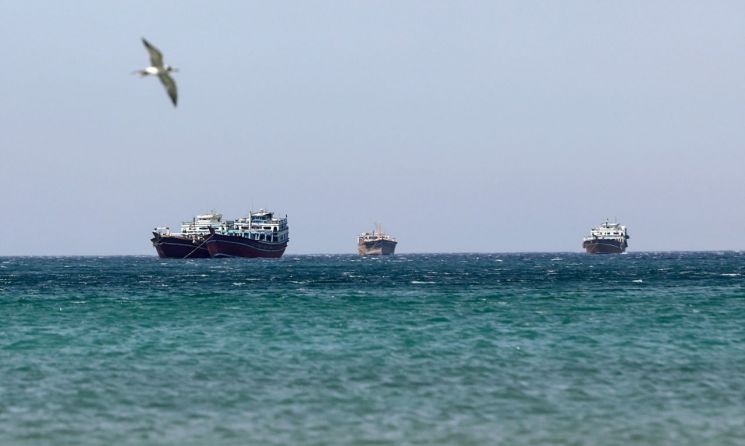
According to the global crude oil market on this day, West Texas Intermediate (WTI) on the New York Mercantile Exchange closed at $64.37 per barrel, down $4.14 (6.0%) from the previous trading day. On the London ICE Futures Exchange, Brent crude, the global oil price benchmark, ended the session at $67.14 per barrel, down $4.34 (6.1%) from the previous day.
As of the closing prices, WTI and Brent crude each recorded their lowest levels since June 10 and June 5, respectively. As a result, both oil types have now returned to levels seen before Israel attacked Iran's key military and nuclear facilities on June 13.
This drop in oil prices was triggered by the easing of geopolitical tensions in the Middle East due to the ceasefire between Israel and Iran. Additionally, U.S. President Donald Trump hinted at withdrawing the previously announced sanctions policy against Iran. President Trump stated on his social media platform Truth Social, "China can now continue to purchase oil from Iran."
Previously, in May, President Trump warned that "all purchases of Iranian crude oil or petrochemical products must stop immediately," and that "any country or individual purchasing these products from Iran will be subject to secondary sanctions." Secondary sanctions refer to measures that prohibit companies or individuals who engage in transactions with entities directly sanctioned by the U.S. government from trading or conducting financial transactions with the United States. However, following the ceasefire, President Trump now appears to be signaling the possibility of withdrawing this sanctions policy.
Matt Smith, oil analyst at Kpler, commented, "President Trump has always seemed reluctant to remove Iranian oil from the market, as doing so could push prices up." He added, "Now that Iran's nuclear capabilities have been weakened, Trump sees no further need for conflict with Iran, and his focus is shifting back to lowering oil prices."
Previously, the market was concerned that if Iran were to block the Strait of Hormuz, a key oil shipping route in the Middle East, oil prices could spike sharply. This strait is a critical passageway for about one-fifth of the world's daily oil supply, and some forecasts predicted that a real blockade could send oil prices soaring to as high as $130 per barrel.
© The Asia Business Daily(www.asiae.co.kr). All rights reserved.

















