The Eastern Region of Yangpyeong: A Gem Enhanced by History, Tourism, and Renewal
From the International Peace Park to the Cable Car: Eastern Yangpyeong's Transformation
From Memories of War to a Cultural Future: Building a City of History and Culture
Since taking office, Yangpyeong County Governor Jeon Jinseon, serving in the 8th popularly elected administration, has relentlessly pursued the reinvigoration of the eastern region for three years, and these efforts are now beginning to bear tangible results. Yangpyeong County is realizing balanced development in the previously stagnating eastern area by expanding tourism infrastructure that combines history, nature, and cultural assets, as well as by improving local living conditions.
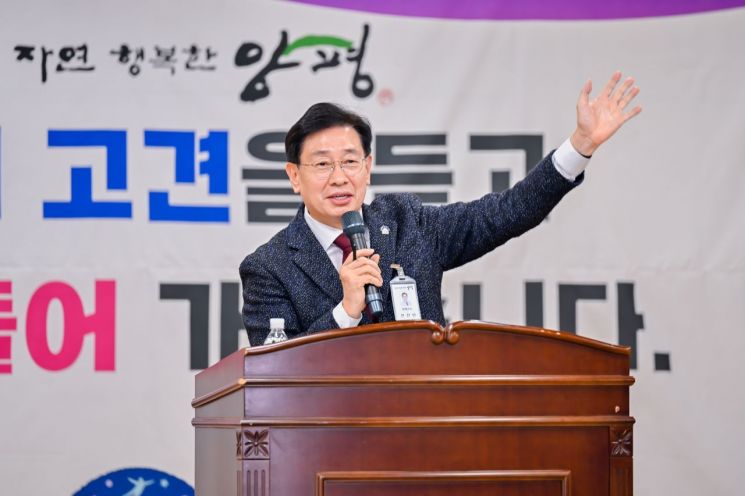
According to Yangpyeong County on June 23, the county, despite challenging circumstances due to various regulations, plans to increase the rate of return visits to the region, focusing on sites such as Yangpyeong International Peace Park, Yongmunsan Tourist Site, and Gudun Art Station. Through these efforts, the county aims to stabilize the local economy and achieve a resurgence of the old downtown area.
Yangpyeong County is the birthplace of the anti-Japanese militia movement at the end of the Joseon Dynasty. In particular, the county is promoting the 'Yangpyeong History and Culture City' project in the Jipyeong-myeon area, which was a major battleground during the Korean War. At the center of this project is the Yangpyeong International Peace Park, which seeks to shed new light on the historical significance of the Battle of Jipyeong-ri.
This project, with a total budget of approximately 40 billion KRW, will be developed on a former military base near Jipyeong Station (about 66,000 square meters). It will include the Yangpyeong Museum with peace, memorial, and experiential functions, a sculpture park, creative studios for artists from participating nations, military experience facilities, and community spaces for residents.
This location is where, in 1951 during the Korean War, a UN battalion led by French Lieutenant Colonel Monclar repelled an offensive by Chinese forces more than five times their size and achieved victory in the Battle of Jipyeong-ri. The Jipyeong Brewery, a building that survived the war, still remains at the site.
To ensure smooth progress, Governor Jeon Jinseon personally visited Chevilly-Larue, France, in April and signed a friendship exchange agreement between the two cities. The agreement includes cooperation in creating a space dedicated to Hong Jaeha, an independence activist, within the park, as well as collaboration on historical research. Chevilly-Larue is the first French city where Hong Jaeha, born in Yangpyeong, settled before and after World War I. Last year, the mayor of Chevilly-Larue visited Yangpyeong County and laid flowers at the UN French Memorial in the Jipyeong-ri area.
In April, the Yangpyeong Museum, a core facility to be built within the Yangpyeong International Peace Park, received a "suitable" rating in the preliminary feasibility assessment by the Ministry of Culture, Sports and Tourism for the first half of 2025. Accordingly, Yangpyeong County plans to steadily carry out follow-up procedures, such as central investment review, with the goal of opening the museum in 2029.
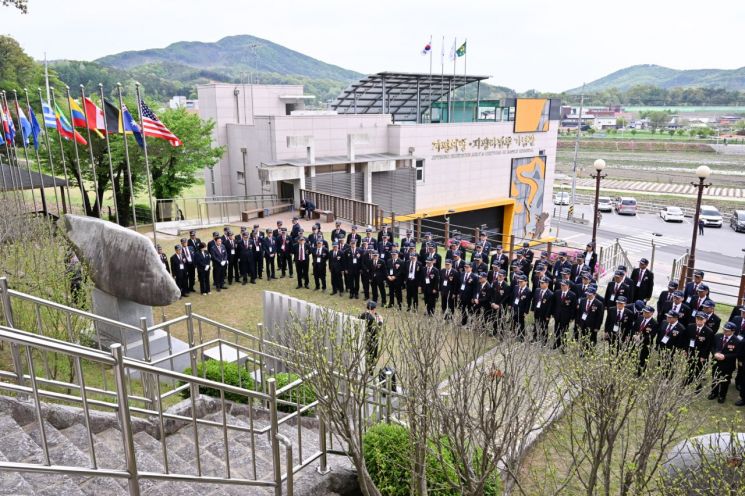 Visit to the Republic of Korea Medal of Honor Recipients Association Jipyeong Battle Memorial Hall. Provided by Yangpyeong County
The Yangpyeong Museum is planned as a complex cultural facility that goes beyond a simple exhibition space to convey the meaning of "people-centered peace." In addition, the functions of the existing Yangpyeong Eco-friendly Agriculture Museum will be expanded and relocated, systematically preserving and utilizing the region's history and cultural assets. The museum will also serve as a comprehensive institution to promote Yangpyeong's identity and value to both domestic and international visitors.
The Yangpyeong International Peace Park is expected to become a new regional landmark, using history as a medium, and serve as a catalyst for a major transformation in eastern Yangpyeong.
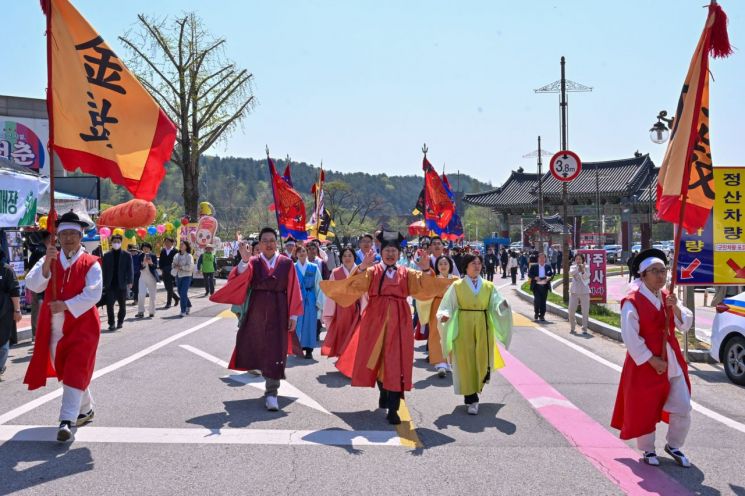
The Yongmunsan Tourist Site is the largest integrated tourism complex in eastern Yangpyeong, bringing together Yongmunsan Mountain, Yongmunsa Temple, and the Yongmunsa Ginkgo Tree, a natural monument. About 1.2 million people visit annually, and one of Yangpyeong's largest festivals, the Yongmunsan Wild Herb Festival, is held here every year.
Yangpyeong County is working to increase tourist numbers by improving access to the Yongmunsan Tourist Site. Last year, the county invested 1 billion KRW (100% special adjustment grant) to implement the Yongmunsan pedestrian and vehicle separation project. This project involved constructing a 650-meter-long pedestrian path from the Iljumun Gate to the marketplace, separating the routes for vehicles and pedestrians so that visitors can ascend Yongmunsan more safely and conveniently. Nature-friendly materials such as soil concrete, decks, and wooden bridges were used in the construction.
In addition, the county is striving to establish itself as a premium tourist city by continuously developing and maintaining the Yongmunsan Tourist Site. This includes repaving parking lots, repairing wall fountains, rest areas, and sculptures, and renovating aging facilities to provide a pleasant tourism environment and enhance visitor convenience, thereby increasing the number of tourists.
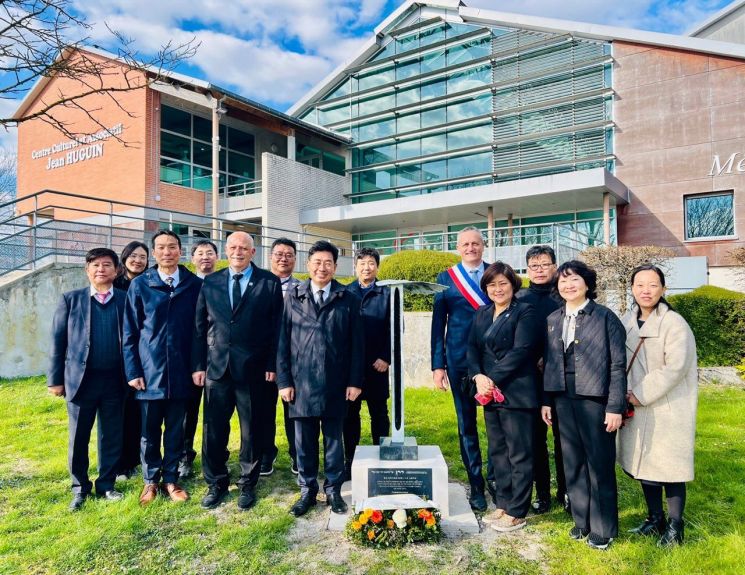 Flower Offering at the 100th Anniversary Monument of Koreans Visiting Chevilly-Larue, France. Courtesy of Yangpyeong County
Yangpyeong County is also considering introducing the first inland cable car in the Seoul metropolitan area at the Yongmunsan Tourist Site. Since Governor Jeon Jinseon took office, this tourism revitalization plan has been proposed, and during the 8th popularly elected administration, the cable car project has been further developed and a basic concept has been initiated.
Yangpyeong County is also accelerating the promotion of the 'Gudun Art Station' project, which is being developed in the Jipyeong-myeon area.
Gudun Station, Registered Cultural Heritage No. 296 of the Republic of Korea, is famous as the filming location for the movie 'Architecture 101' and the cover of IU's album 'Kkotgalpi.' The county plans to invest 18.7 billion KRW to transform approximately 66,000 square meters around Gudun Station into a tourism resource. The Gudun Station Art Platform will include a film and music workshop, retail facilities, a cultural arts center, rest areas, the Baekhwa Forest Gallery, Galaxy Camp Square, a flea market, and decked rest spaces, all of which are expected to attract many visitors.
In addition, the county plans to develop a comprehensive cultural space by linking Gudun Station with nearby modern cultural heritage sites and tourist attractions such as Gwandong-daero Gujilhyeon, the Jipyeong-ri Battle Memorial Hall, the Mulsorigil Trail, and Jipyeong Brewery, thereby establishing the area as a leading tourist destination in the eastern region.
Since the start of the 8th popularly elected administration, Yangpyeong County has seen a noticeable increase in population. As of May 2025, the population stands at 128,690, ranking first among counties nationwide in terms of population and second in terms of population growth. Unlike other regions facing nationwide population decline and the risk of local extinction, Yangpyeong County has been excluded from the population decline and at-risk areas designated by the Ministry of the Interior and Safety.
However, comparing the population growth rates of the eastern and western regions over the past ten years, areas in the west such as Yangpyeong-eup, Gangsang-myeon, and Yangseo-myeon have shown continuous growth, while eastern areas such as Danwol-myeon, Cheongun-myeon, and Yangdong-myeon have experienced a decline. The eastern region is facing population stagnation and decline, a low number of births, and severe super-aging, resulting in increasing disparities in population structure and living conditions between the east and west.
To address these disparities, Yangpyeong County has designated Danwol-myeon, Cheongun-myeon, and Yangdong-myeon?each with a population of less than 5,000?as "Filling Areas." From 2025 to 2029, the county will invest 10 billion KRW per area over five years through the "Filling Project," aiming to bring about substantial changes in regional balanced development.
To identify practical projects tailored to local conditions, the county has formed a Filling Project Discovery Team of about 20 to 30 residents per area who are well-acquainted with local affairs and actively participate in project discovery activities. Through workshops, resident briefings, and field trips to advanced regions, Danwol-myeon has selected the "Local Vitality Sports Infrastructure Construction Project," Cheongun-myeon the "Cheong Dream Center Construction Project," and Yangdong-myeon the "Filling Plus Complex Center Construction Project" as their respective Filling Projects, which are currently being promoted.
In addition, the county is working to improve residents' living environments by connecting the rural center (Yongmun-myeon) with basic base areas (Danwol, Cheongun, Yangdong, Jipyeong). In particular, the three Filling Areas are expected to generate synergy by linking the Filling Projects identified by the Discovery Teams with rural agreements.
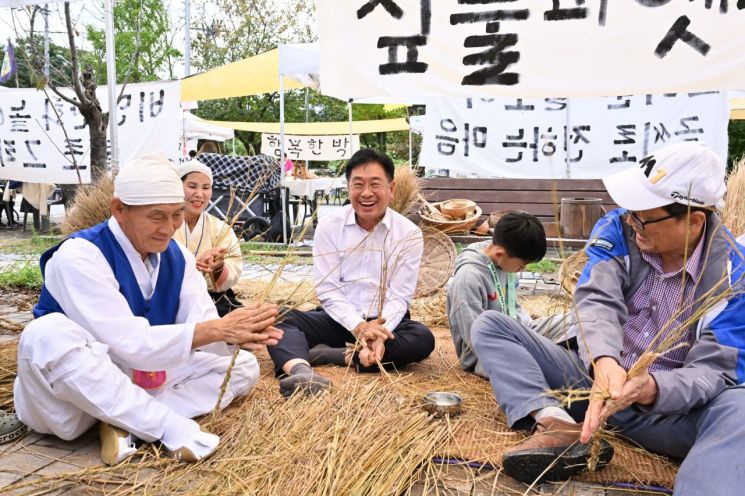
Yangpyeong County expects that upon completion of the Filling Project, substantial changes will be achieved in regional balanced development between the east and west, which residents can directly experience. This will be accomplished by improving living conditions in the Filling Areas, supporting return migration and settlement, and addressing insufficient social overhead capital (SOC).
Governor Jeon Jinseon stated, "We will transform the eastern region into an attractive space by systematically reorganizing local conditions and utilizing its resources. Revitalizing tourism resources in the eastern region will directly lead to economic revitalization, and through balanced development, we will create a Yangpyeong that all residents can be proud to call home."
© The Asia Business Daily(www.asiae.co.kr). All rights reserved.



















