Administrative Actions for Failure to Take Follow-up Measures or Legal Violations
First, regarding pharmaceuticals, the inspection will target manufacturers with a history of product recalls due to packaging or labeling defects. Key inspection items include whether the companies have implemented follow-up measures and recurrence prevention plans submitted at the time of recall, and whether they have carried out follow-up actions after conducting voluntary inspections related to packaging and labeling processes.
In the biopharmaceuticals sector, the focus will be on the management of glucagon-like peptide-1 (GLP-1) class obesity treatments. With summer approaching, the authorities will inspect medical institutions and pharmacies handling these products to determine whether they have engaged in excessive or false advertising to the general public by introducing these medicines as "weight loss drugs" through online posts featuring user reviews or by placing promotional materials in patient waiting rooms, especially if such information exceeds the approved indications.
For herbal medicines, given the need for quality management of high-priced herbal ingredients, the inspection will cover manufacturers of herbal ingredients such as deer antler and bezoar, as well as manufacturers of herbal preparations containing bezoar, such as Uhwangcheongsimwon. The inspection will assess the adequacy of quality testing for raw materials and finished products, as well as the appropriateness of raw material storage management and finished product manufacturing management.
Among quasi-drugs, to ensure a safe distribution environment for anti-snoring devices, manufacturers will be checked for whether they conduct quality tests on raw materials and finished products, maintain microbial quality control, and properly manage the hygiene of manufacturing facilities. In addition, the authorities will inspect menstrual product sellers who have been caught on multiple online sales platforms for the same advertising violations, focusing on false or exaggerated advertising. If the offending advertisements were provided by the manufacturer (or importer), those companies will also be inspected.
Furthermore, regarding medical devices, the inspection will target companies that have repeatedly been caught importing illegal medical devices at the import and customs clearance stages. Key inspection items include whether the illegally imported medical devices have been distributed illegally, and whether they have been returned or disposed of as required.
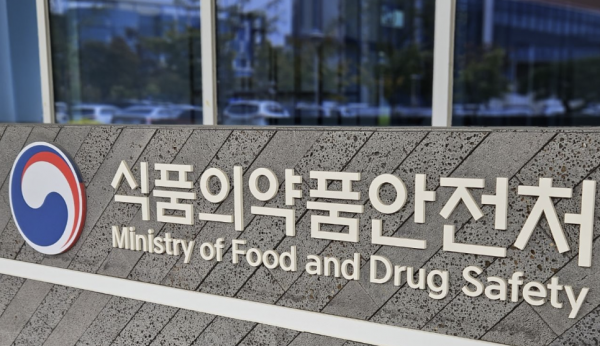
The Ministry of Food and Drug Safety stated that if necessary follow-up actions are not taken or violations are confirmed as a result of these inspections, administrative guidance or administrative sanctions will be imposed.
A representative from the Ministry said, "We will continue to conduct regular inspections of medical products to ensure public safety and to make sure that only medical products with verified quality and safety are available for public use."
© The Asia Business Daily(www.asiae.co.kr). All rights reserved.

















