LDP Suffers Major Defeat in Tokyo Metropolitan Assembly Election
Ishiba Administration Faces Setback Ahead of Upper House Vote
Japan's ruling Liberal Democratic Party (LDP) suffered a crushing defeat in the Tokyo Metropolitan Assembly election, which served as a prelude to the House of Councillors (upper house) election scheduled for July 20, losing its position as the largest party.
According to NHK and Nikkei on the 23rd, in the Tokyo Metropolitan Assembly election held the previous day, the LDP secured 21 out of a total of 127 seats.
This represents a decrease of 9 seats from its previous 30 seats, and is even fewer than its previous minimum of 23 seats in 2017.
The Tomin First no Kai, for which Tokyo Governor Yuriko Koike serves as special advisor, increased its seats by 5, from 26 to 31. This means the party has regained its position as the largest force in the assembly, which it had lost to the LDP in the 2021 election. Komeito won 19 seats, a decrease of 4 from its previous 23 seats. The current governor-centered bloc, comprising Tomin First no Kai, the LDP, and Komeito, maintained a majority in the assembly.
The Constitutional Democratic Party, which is critical of Governor Koike, secured 17 seats, while the Communist Party obtained 14 seats. The Constitutional Democratic Party increased its seats by 5, while the Communist Party lost 5 seats.
The Democratic Party for the People, which made headlines in last year's general election by quadrupling its seats, previously had no representation in the metropolitan assembly but had 9 candidates elected in this election. The right-leaning Sanseito also won seats for the first time, with 3 members elected.
Major issues in this election included measures to address high prices, such as rising rice and food costs, welfare policies like childcare support, and the slush fund scandal.
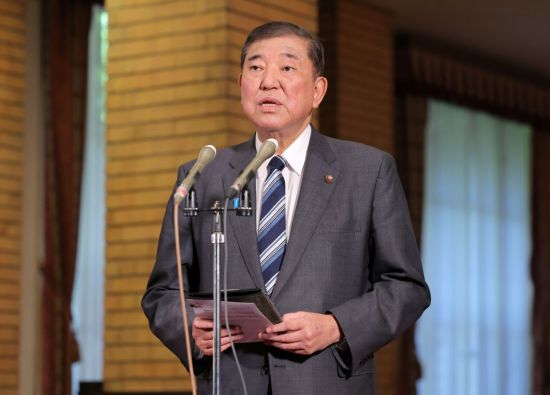
Japanese media predicted that the outcome of this election would deal a blow to the administration of Prime Minister Shigeru Ishiba. The Ishiba administration had already failed to secure a majority in the House of Representatives (lower house) election last October, even when combined with its coalition partner Komeito, and has now suffered another defeat in this election.
In addition, the LDP's crushing defeat in this Tokyo Metropolitan Assembly election was largely attributed to the slush fund scandal. The LDP faction in the Tokyo Metropolitan Assembly, like the party's central factions, was found to have failed to report part of its income from past political fundraising events (parties) in its political funds reports.
The provisional voter turnout for this election was 47.59%, up 5.2 percentage points from four years ago.
© The Asia Business Daily(www.asiae.co.kr). All rights reserved.

















